Premium OWS Earbuds Wholesale Supplier | Custom Open-Ear Wireless Earphones by Wellypaudio
As audio technology continues to evolve, businesses and consumers alike are seeking more innovative, comfortable, and functional solutions. Among the fastest-rising trends in the industry are OWS earbuds—short for Open Wearable Stereo—which combine ergonomic, open-ear design with powerful wireless performance. These earbuds are ideal for users who value safety, spatial awareness, and audio clarity, especially in outdoor, fitness, or multilingual communication scenarios.
If you're looking for a reliable OWS earbuds wholesale supplier, you've come to the right place. At Wellyp Audio, we specialize in manufacturing and customizing high-quality open-ear wireless Bluetooth earbuds for global brands, distributors, and retailers. From AI translation earbuds OWS to clip OWS earbuds inspired by market leaders like Noise Air Clips and Altec Lansing, we offer a versatile range of options tailored to your needs.
Whether you're launching your own private label or scaling up an existing product line, Wellyp is the trusted partner you need for OEM OWS headphones in China—backed by nearly two decades of production experience, advanced manufacturing facilities, and dedicated support.
Wellyp's OWS Earbuds Explore
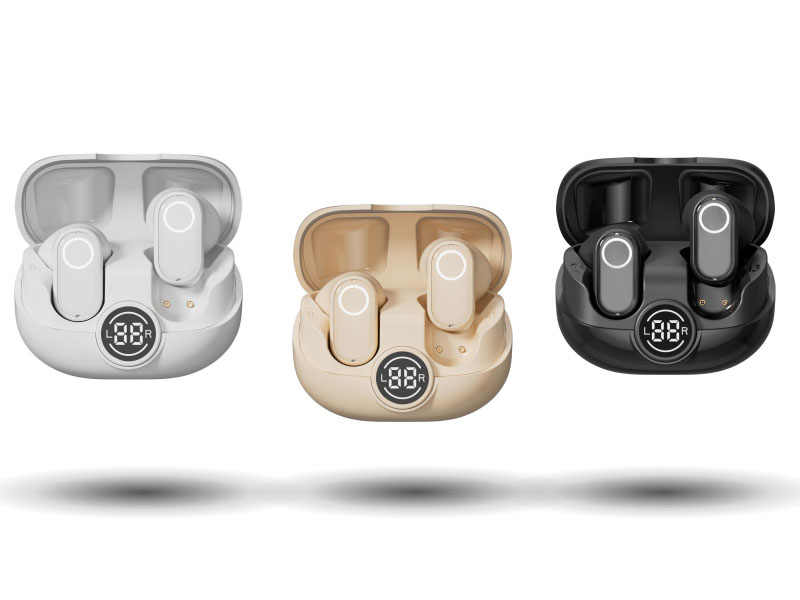
A1-M89

A1-M83
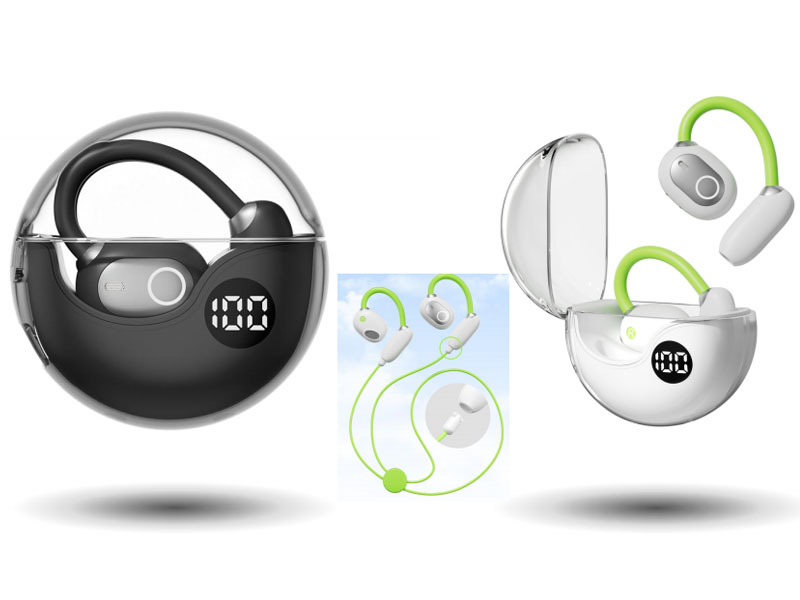
A1-M80
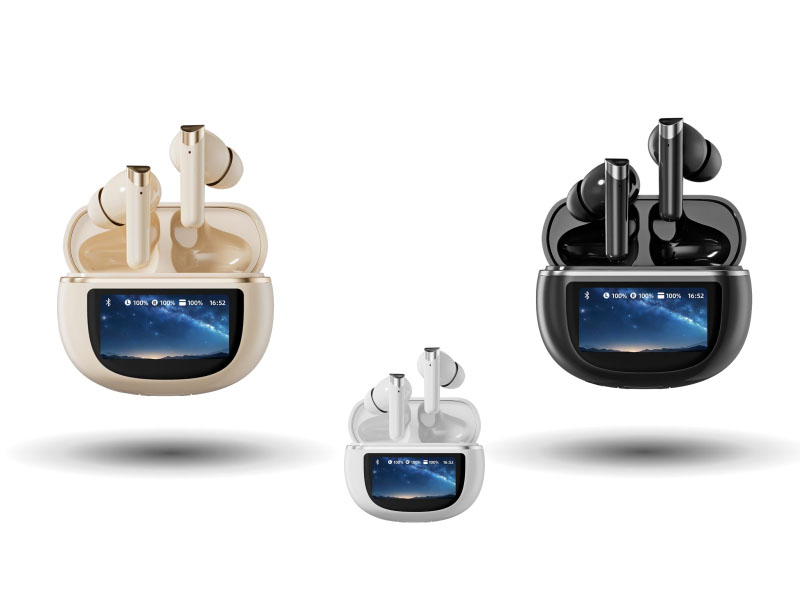
A1-M87
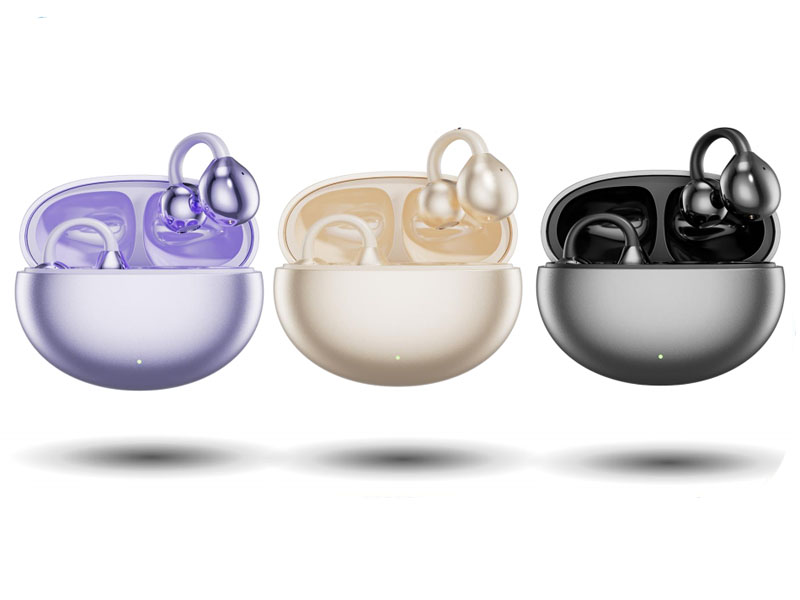
A1-M91
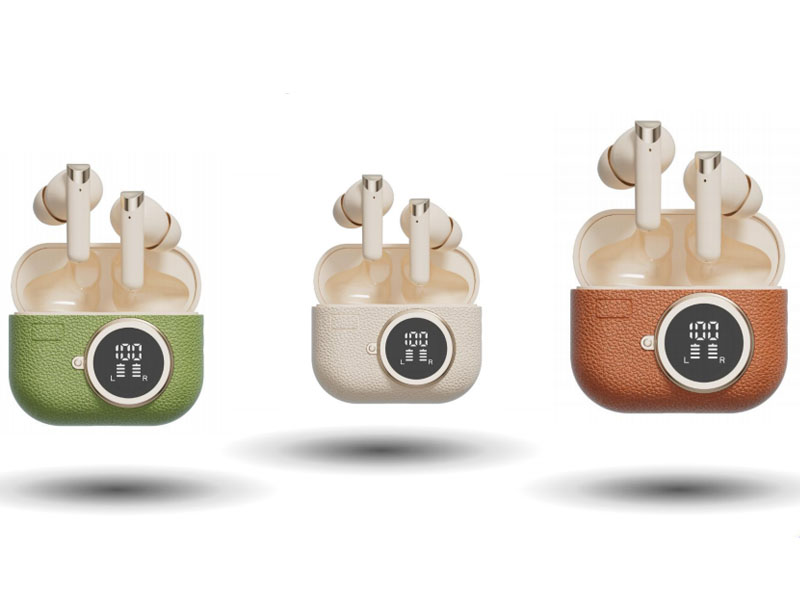
A1-M88
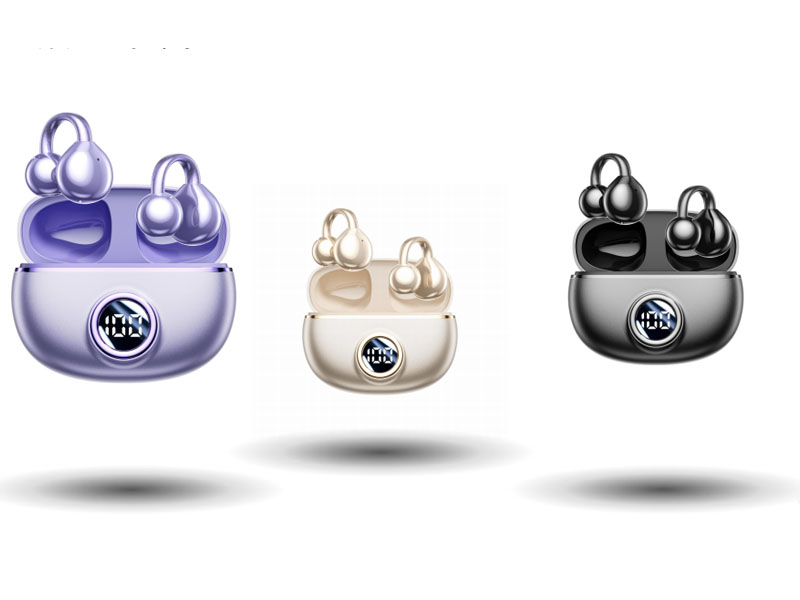
A1-M97
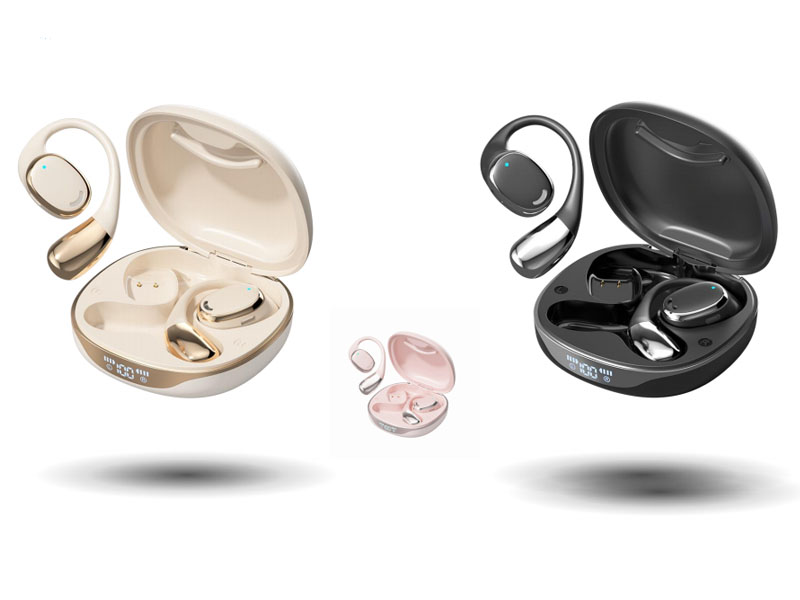
A1-M70
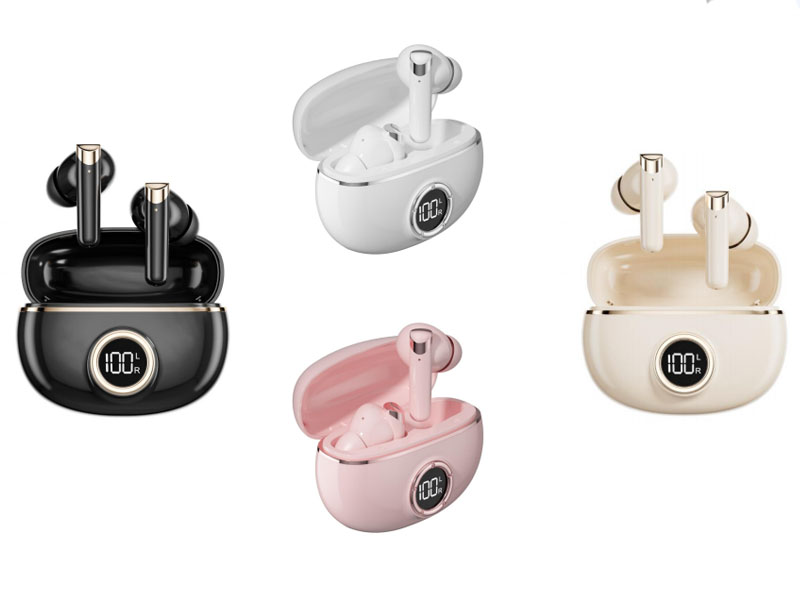
A1-M85
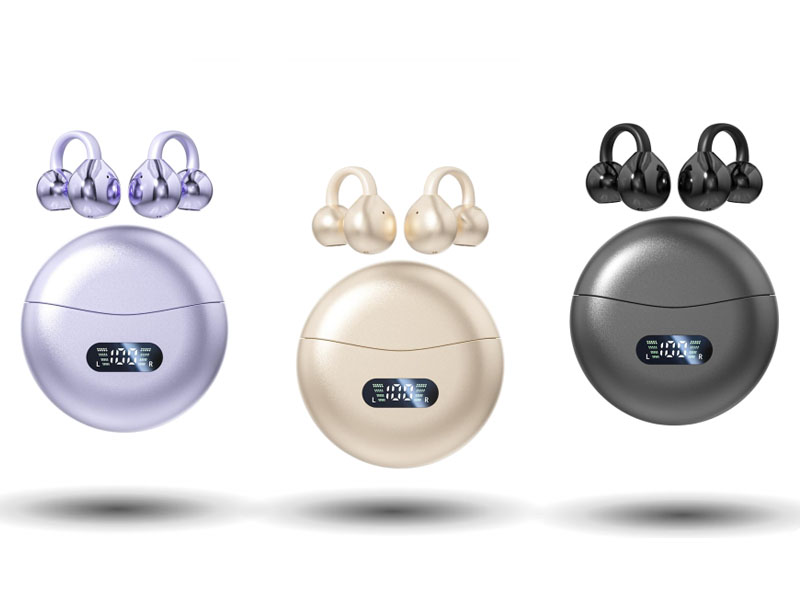
A1-M79
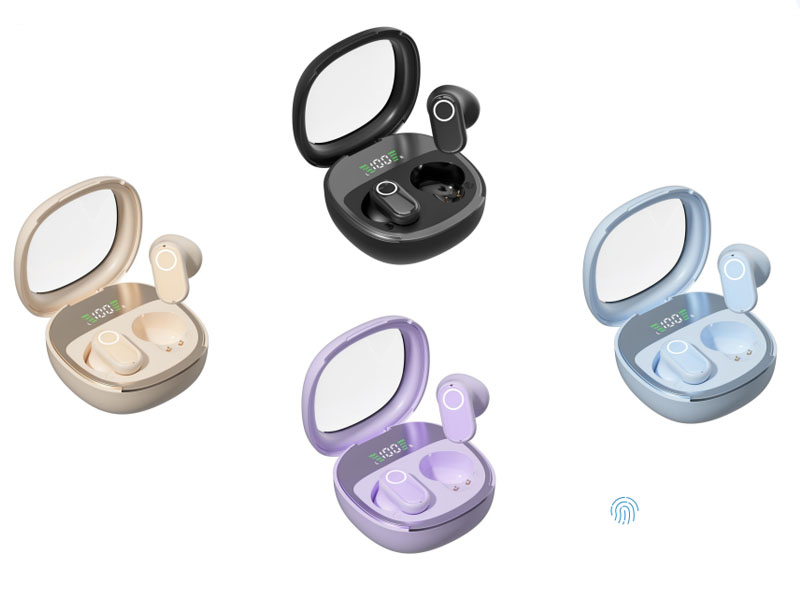
A1-M86
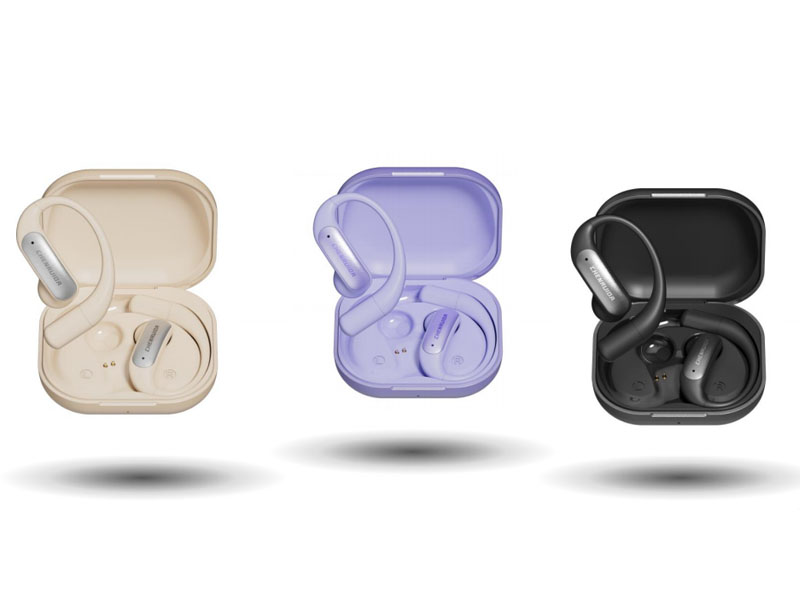
A1-M122
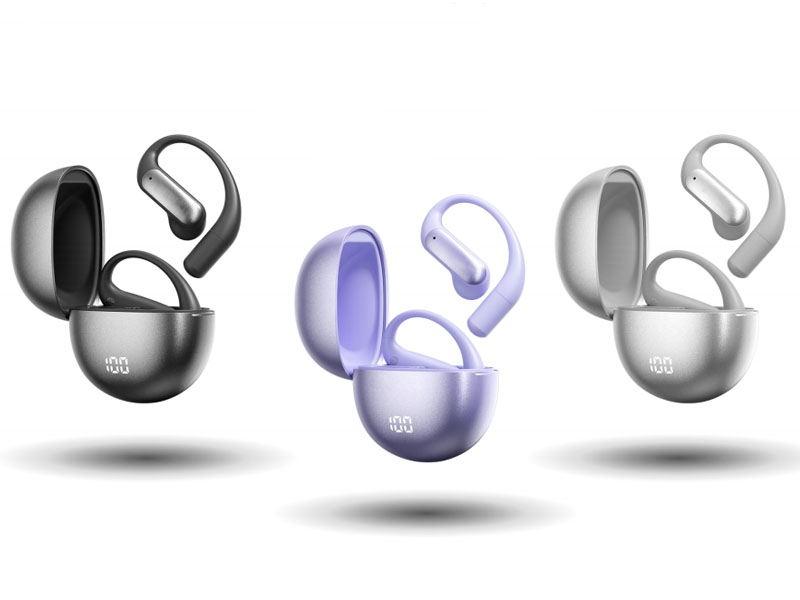
A1-M118

A1-M112
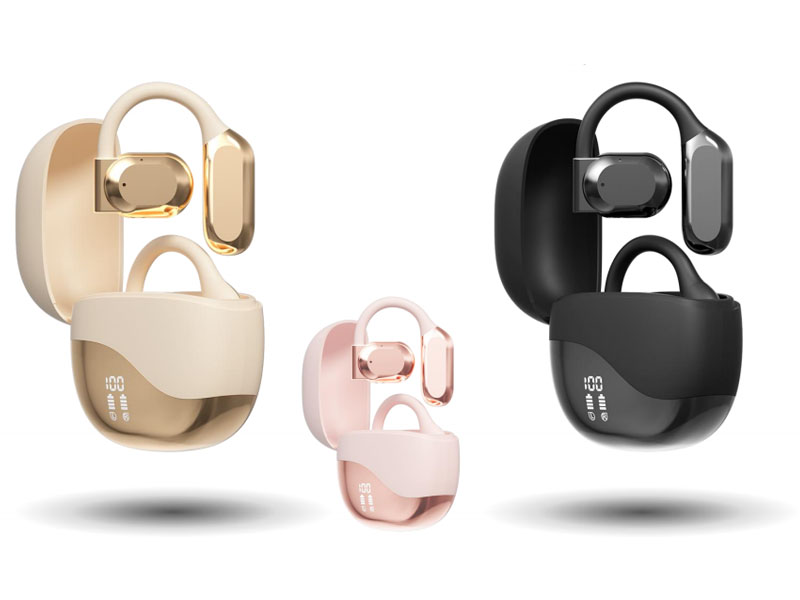
A1-M62
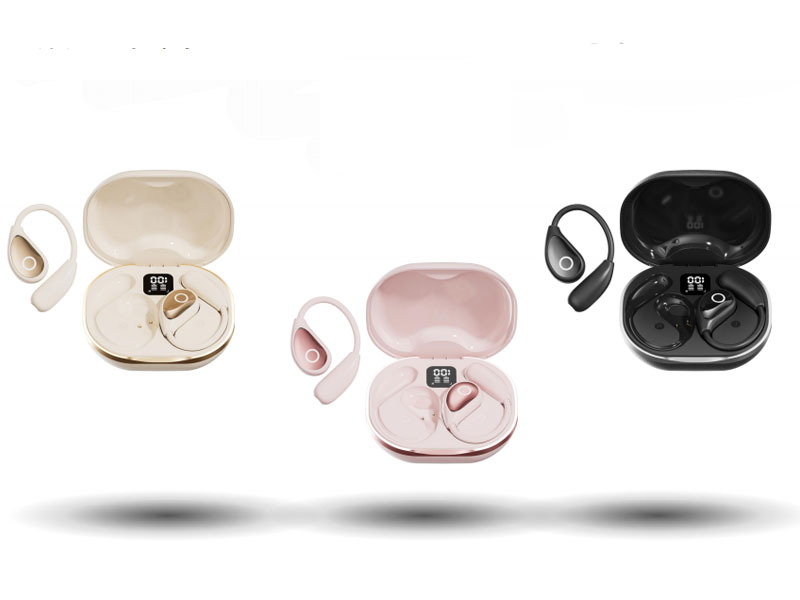
A1-M95
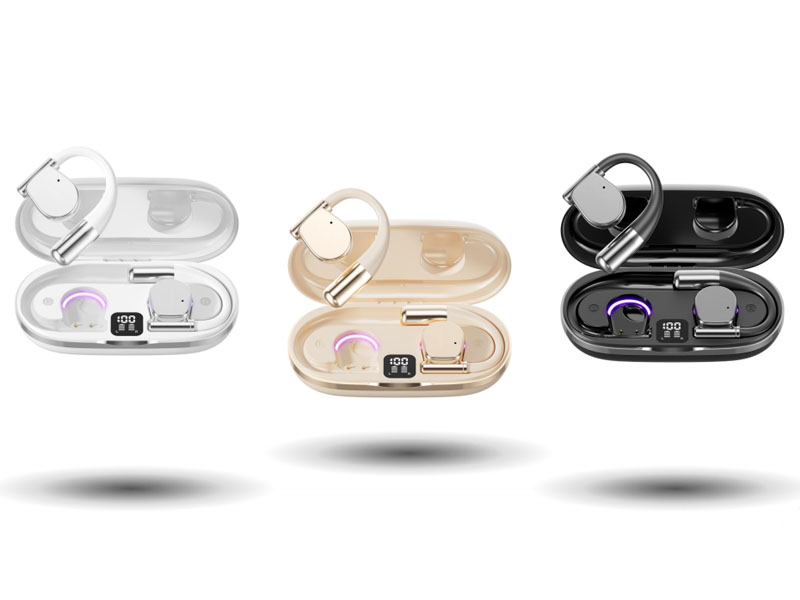
A1-M111
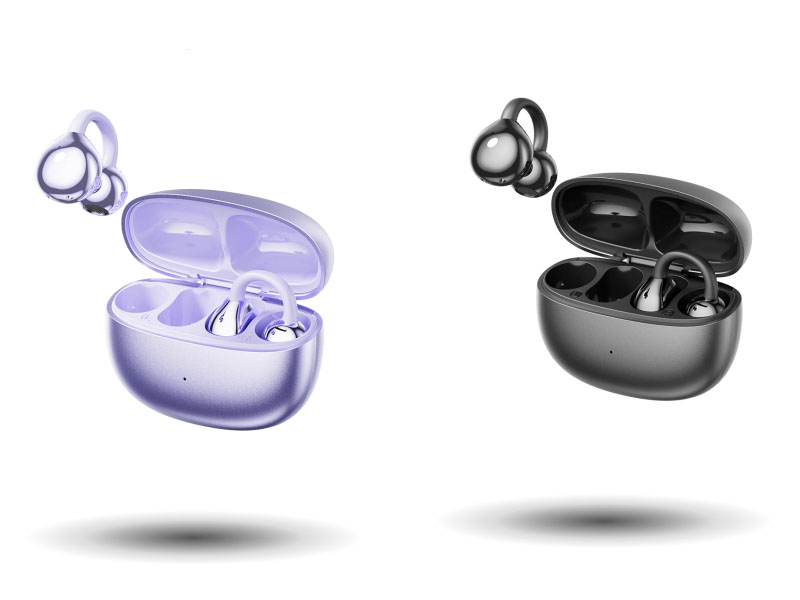
A1-M108
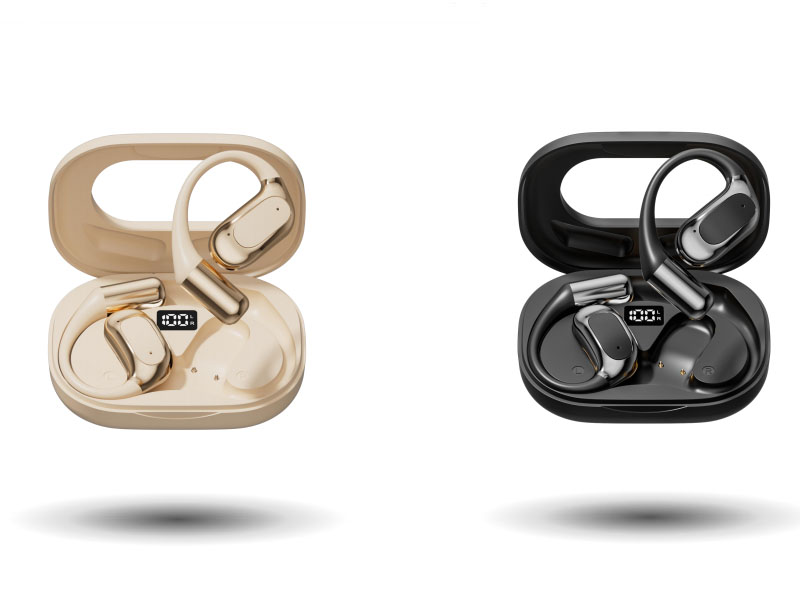
A1-M115
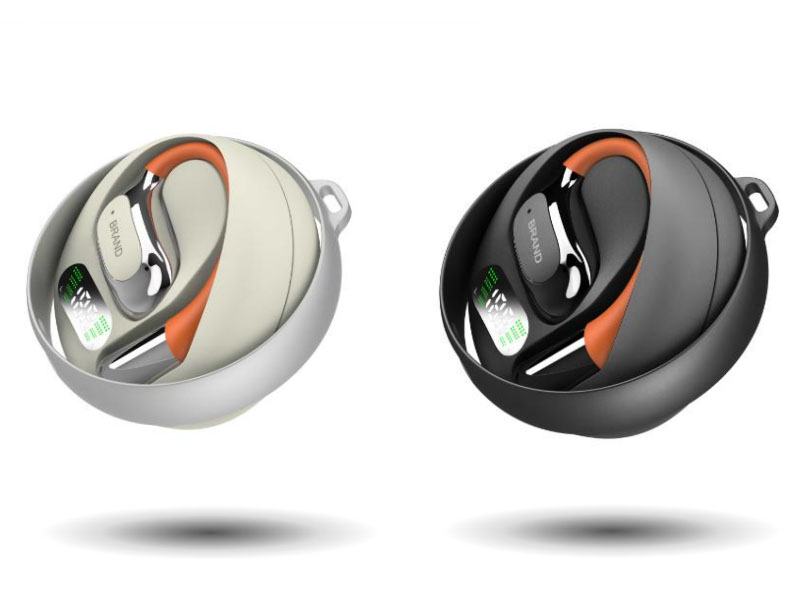
A1-M114
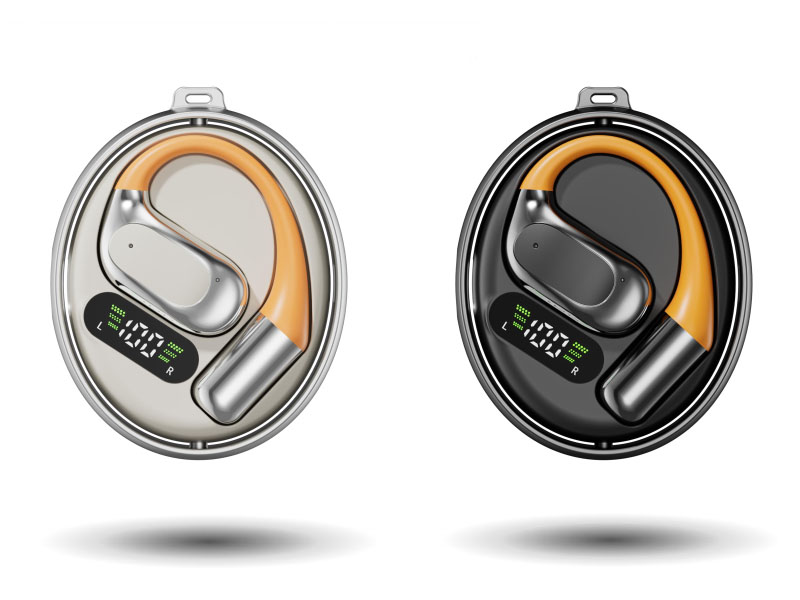
A1-M113
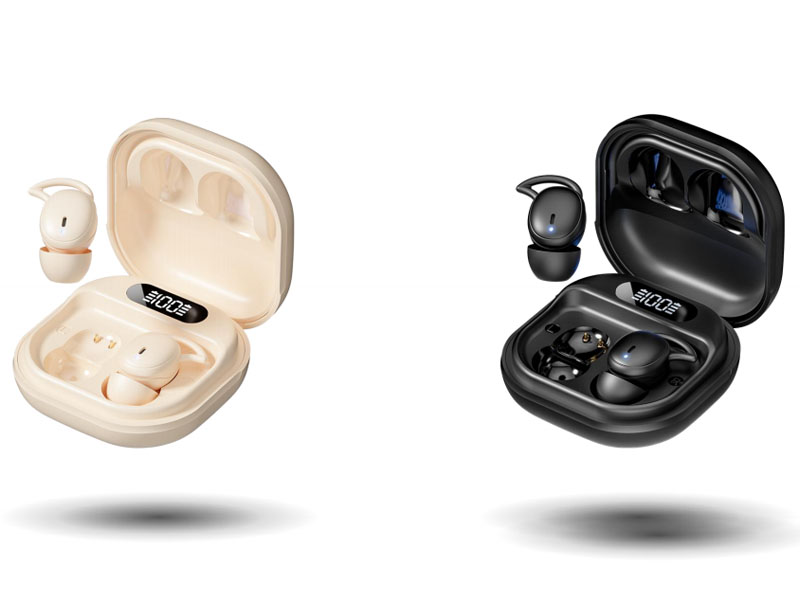
A1-M72

A1-M94
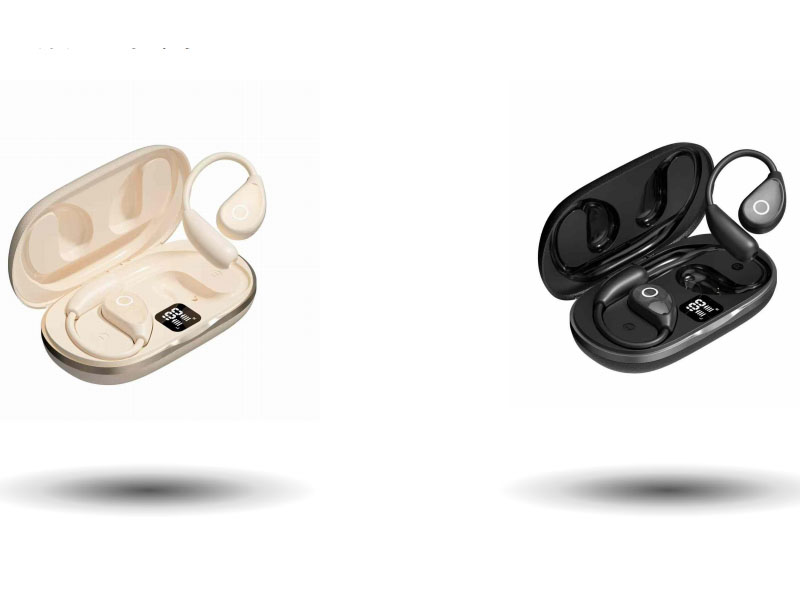
A1-M96
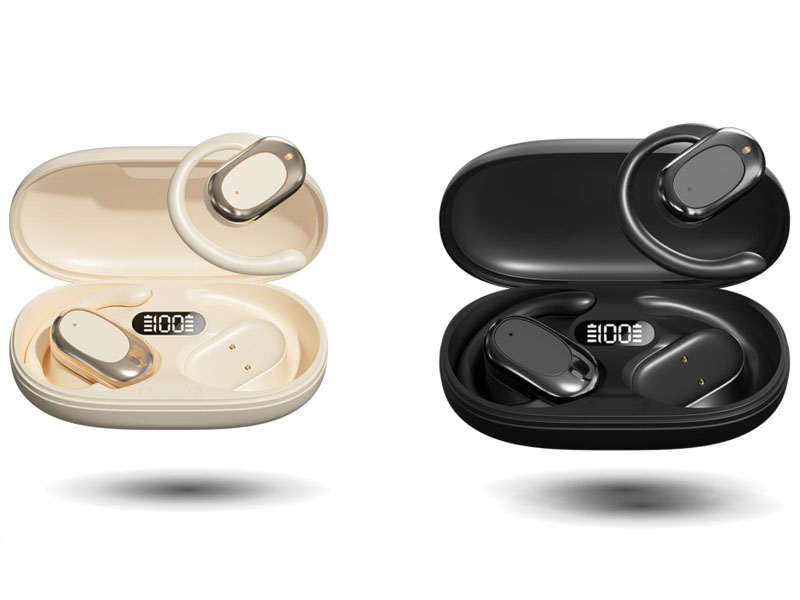
A1-M57
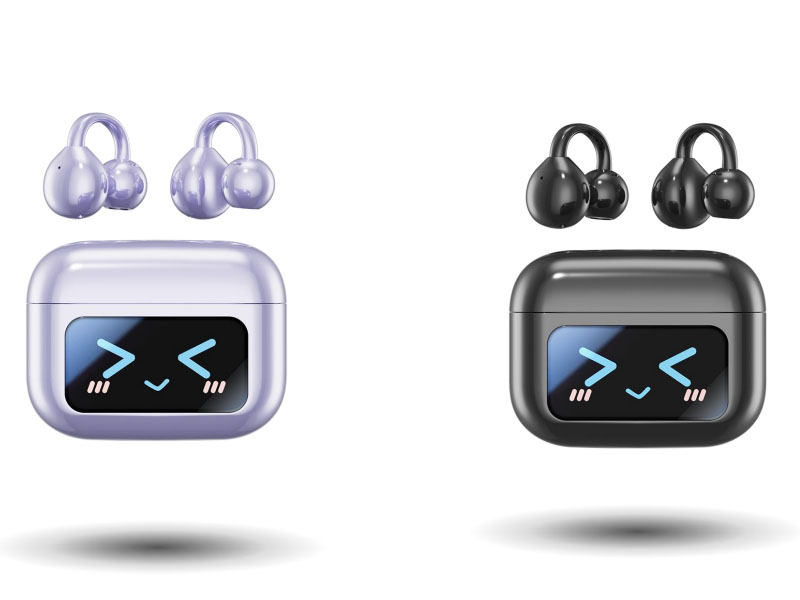
A1-M100
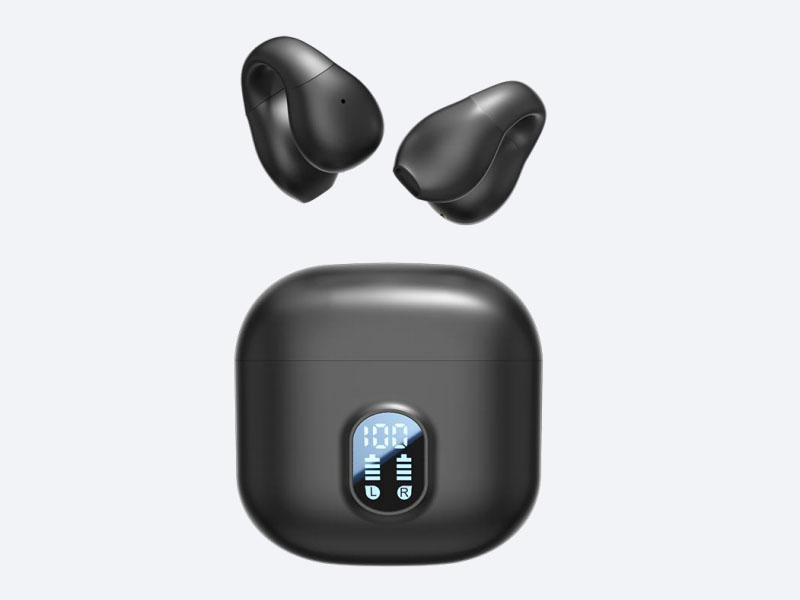
A1-M67
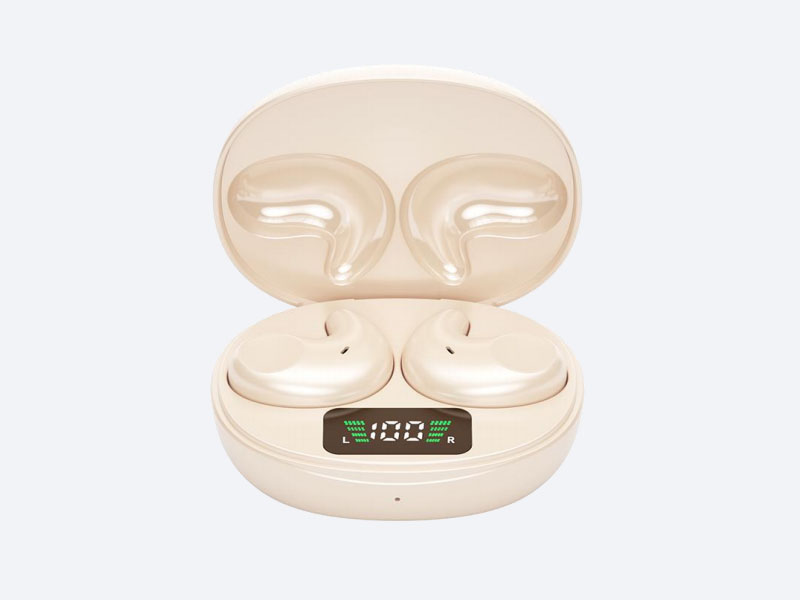
A1-M52

A1-M75
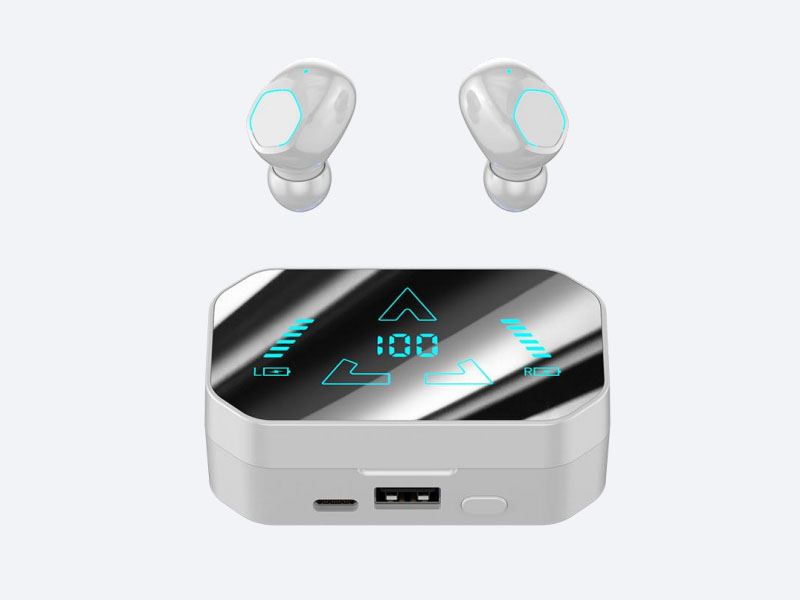
A1-M49
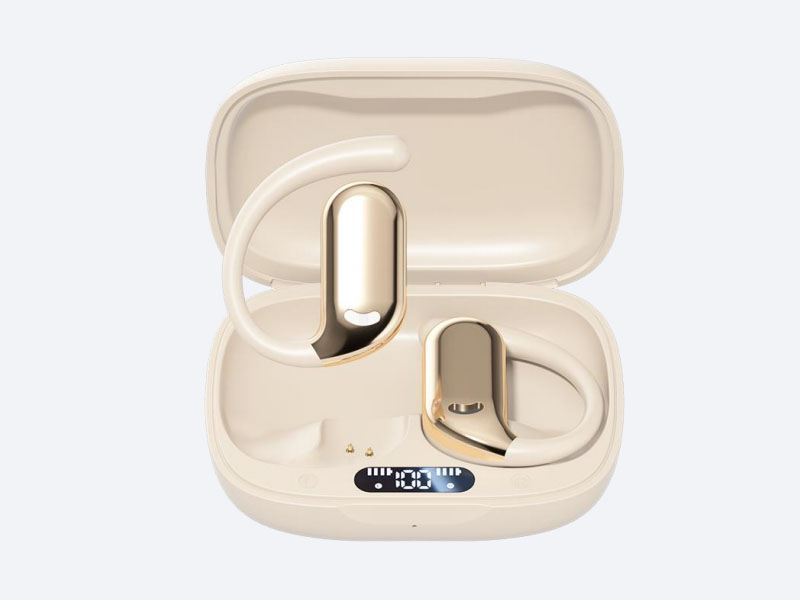
A1-M74
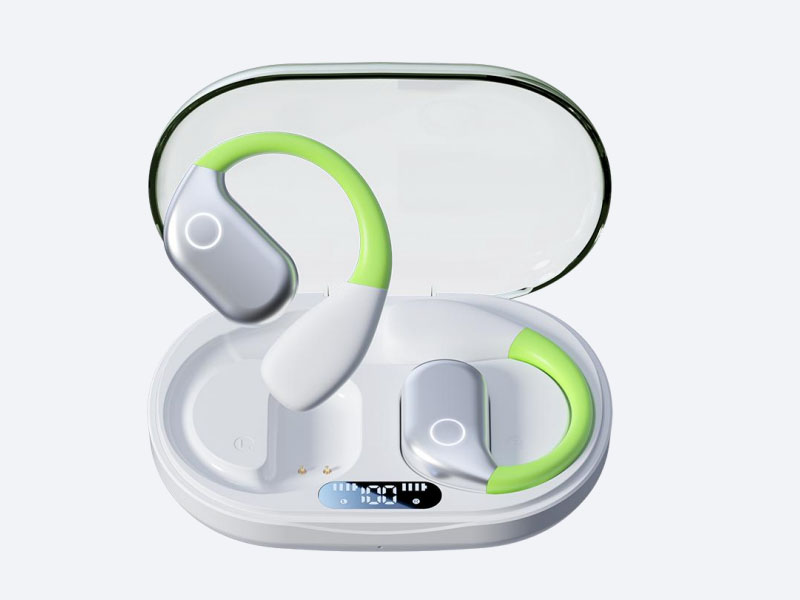
A1-M82
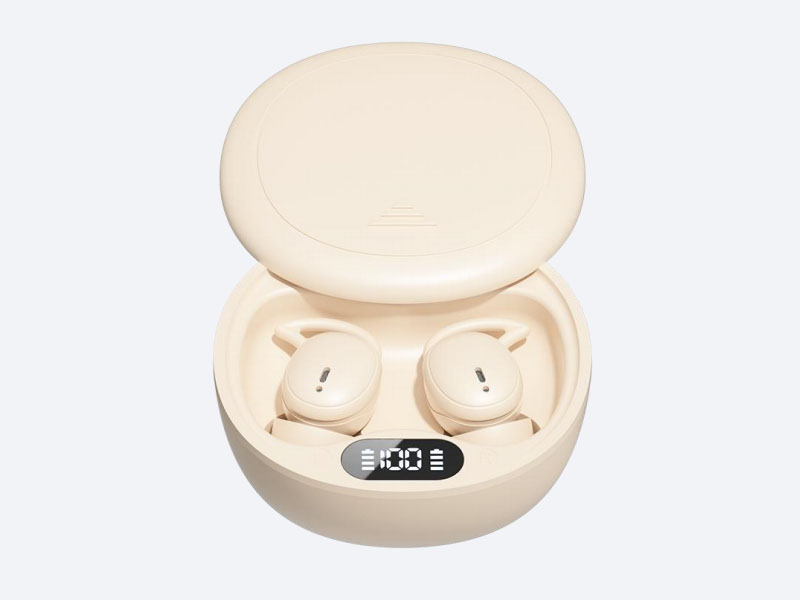
A1-M73
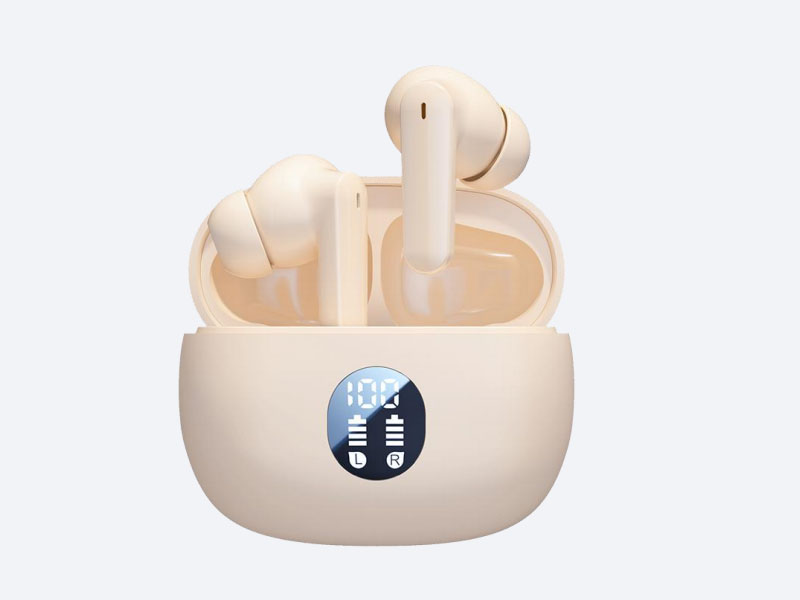
A1-M69

A1-M51
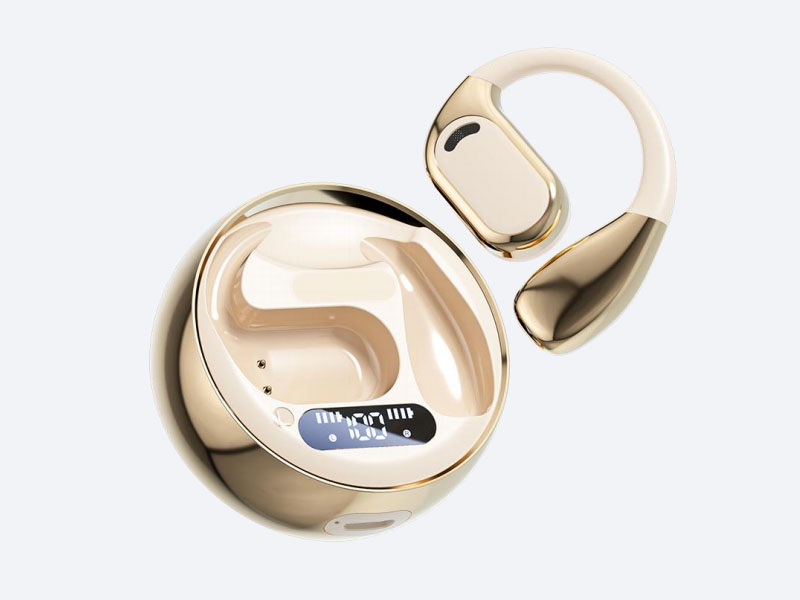
A1-M76
Common features of Wellyp’s OWS earbuds:
From models inspired by Noise Air Clips to tech integrations seen in Altec Lansing, open-wear earbuds are not just a trend—they’re the next evolution in personal audio.
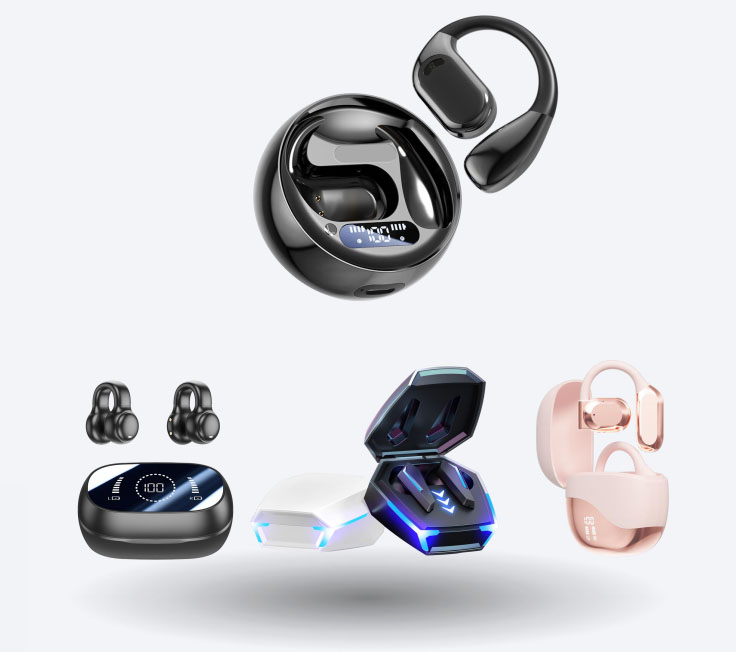
Why Choose Wellyp for OWS Earbuds?
Wellypaudio has been manufacturing innovative audio solutions since 2004. As a specialist in OEM OWS headphones in China, we provide end-to-end production for clients who want reliability, scale, and creative flexibility.
OEM/ODM Expertise
We don’t just assemble — we help you build a brand. Whether you need custom open wearable stereo earbuds or a private-label lineup, our team will turn your vision into a market-ready product.
Flexible Manufacturing for Bulk Orders
Need 300 units or 50,000? Our smart manufacturing setup supports fast scale-up for ows earbuds wholesale and bulk purchase without compromising quality.
Trend-Driven, Feature-Rich
We integrate features like AI translation, voice assistant access, and ENC noise reduction to ensure your product lineup stays relevant and competitive.
Quality You Can Trust
Our factory with strict QC protocols and full compliance for CE, FCC, and RoHS. Every pair of Bluetooth earbuds we produce is built to perform and last.
Customization Services
Your brand is unique—your earbuds should be too. That’s why Wellyp offers a range of customization options to help you stand out:
● Multiple open-ear styles, colors, and finishes
● Branding with your logo (silk screen, laser, engraving)
● Choice of materials: ABS, silicone, matte rubber, aluminum alloy
● Real-time AI translator module (70+ languages)
● Touch controls, ENC, and dual-mic support
● Waterproofing up to IPX8, ideal for sports/fitness
● Eco packaging, gift boxes, retail kits
● Insert cards, QR codes, barcodes
● Amazon-ready or white-label packaging
● Exclusive model development for private label OWS earphones
● Full support for certifications and export documentation
● Shopify/Amazon SKU consulting and logistics coordination
We don’t just build earbuds—we help build brands.
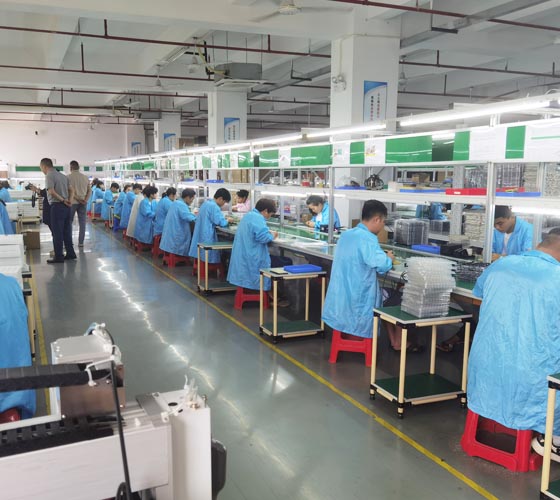
Manufacturing & Quality Assurance
As a professional open-ear Bluetooth earbuds manufacturer, Wellyp focuses on precision manufacturing and quality assurance:
Capabilities:
● Daily capacity: 5,000–10,000 units
● SMT lines, injection molding, acoustic tuning
● Complete in-house product assembly
Quality Control:
● Material sourcing inspection
● PCB function testing
● Audio tuning and battery life testing
● Drop test, sweat simulation, wearability check
● Final inspection before packaging
Our OWS earbuds meet global quality standards and have been successfully distributed to 30+ countries including the US, UK, Germany, Japan, and Australia.
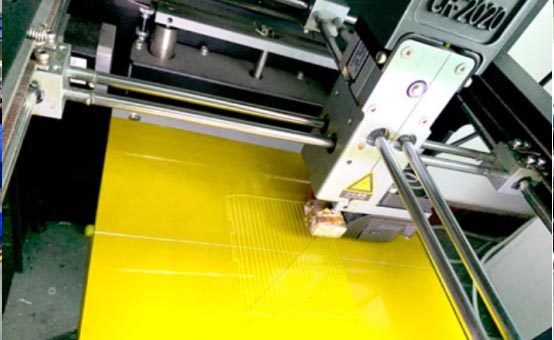
EVT Sample Test (Prototype Production With 3D Printer)
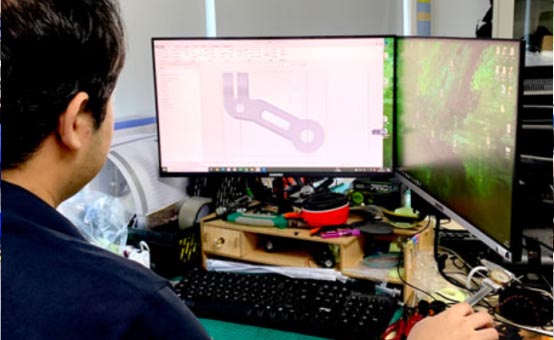
UI Definitions
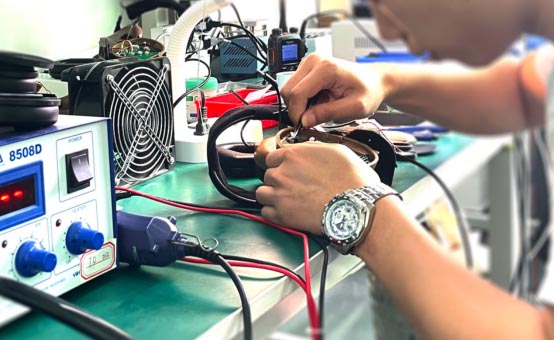
Pre-Production Sample Process
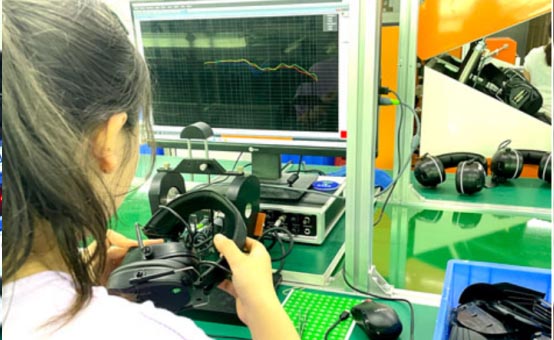
Pro-Production Sample Testing
Client Testimonials
“We loved the way Wellyp customized our AI translation earbuds for international business use. The translation was seamless, and the open-fit design was perfect for conferences.” – Anna K., Netherlands
“Wellyp’s support has been unmatched. Their wireless clip earbuds have become our flagship product in Europe.”– Pedro R., Spain
“The team at Wellyp helped us launch a private label audio brand with full custom packaging and app compatibility. We couldn’t have done it without them.” – Leo D., Australia
Why Wellypaudio Stands Out
Wellyp has been a leader in the earbuds products industry for years, known for our commitment to quality and innovation. Our factory is located in China, and we are equipped with cutting-edge technology that allows us to produce high-quality promotional earphones at scale.
With over two decades of experience, Wellypaudio has honed its craft in audio device manufacturing.
From design to delivery, Wellypaudio prioritizes client satisfaction, offering end-to-end support.
Eco-conscious practices, such as using recyclable materials, highlight Wellypaudio’s commitment to the environment.
Serving clients across continents, Wellypaudio has established itself as a trusted partner for B2B solutions.
Wellypaudio--Your best earbuds manufacturers
In the competitive landscape of earbuds manufacturing, we stand out as a trusted partner for B2B clients. Our commitment to quality, innovation, and customer satisfaction drives everything we do. Whether you're looking for the best earbuds, or custom solutions, we have the expertise and capabilities to meet your needs.
Partner with us and experience the difference that superior sound quality, state-of-the-art technology, and exceptional service can make. Join the ranks of satisfied clients who have chosen us as their preferred supplier for earbuds. Discover why we are the best choice for your business and how our products can enhance your offerings. Contact us today to learn more about our products, services, and how we can help you achieve your business goals.
Frequently Asked Questions
Q1: What are OWS earbuds good for?
A: They’re great for outdoor and office use, allowing users to hear their environment while enjoying wireless music or voice prompts.
Q2: Do you support AI translation in your earbuds?
A: Yes, we offer ows translation earbuds with real-time translation for over 100 languages.
Q3: Can I place a private label or OEM order?
A: Definitely. We support full OEM/ODM services including logos, packaging, features, and functionality.
Q4: What's the lead time for orders?
A: Samples: 7–10 days; Mass production: 25–30 days depending on quantity and features.
Q5: Are your products compatible with iOS and Android?
A: Yes, our wireless Bluetooth earphones are universal and tested on all major OS platforms.
Q6: Do you provide international shipping?
A: Yes. We support worldwide delivery with flexible logistics options—Air, Sea, or Express.
Q7: Can you help design a completely new earbud?
A: Absolutely. We work with clients on exclusive developments based on your brief, including hardware and industrial design.
Q8.What Are OWS Earbuds?
OWS, or Open Wearable Stereo, is reshaping the way we think about audio. Unlike traditional earbuds that plug into your ears or cover them entirely, OWS earbuds gently clip around the outer ear. This open-ear design ensures comfort, safety, and an immersive audio experience without isolating you from your surroundings.
Imagine walking, biking, or working while still being able to hear traffic or talk to someone nearby — that’s the magic of OWS wireless earbuds. Blending the innovation of TWS (True Wireless Stereo) with smart features like AI translator, OWS earbuds are quickly becoming a favorite for tech-savvy users.Looking for a White Label solution? Check our custom White Label Earbuds.
Contact Wellypaudio
Choosing the right partner for your OWS earbuds wholesale needs can make all the difference in standing out in today’s competitive market. At Wellyp Audio, we combine nearly 20 years of manufacturing expertise with cutting-edge technology and personalized service to deliver top-quality, customizable open-ear wireless earbuds that meet your unique business goals.
Whether you’re seeking AI translation earbuds OWS, clip OWS earbuds, or fully custom designs, we are committed to helping you launch innovative products that your customers will love. Partner with Wellyp Audio today and experience seamless production, exceptional quality, and reliable support every step of the way.
Wellyp Audio is your one-stop manufacturer for innovation, quality, and customization.
Let’s create the future of wireless audio—together!
OWS Earbuds — Deep Technical Insights & Buyer’s Guide
OWS (Open Wearable Stereo / Open-Ear Wearable Stereo) earbuds are engineered to deliver immersive audio while leaving the ear canal open — ideal for sport-active use, outdoors, translation scenarios and long-wear comfort. Compared with TWS (True Wireless Stereo) in-ear models, OWS prioritizes situational awareness and comfort but creates unique technical challenges (sound leakage, wind noise, bass extension). Smart industrial design + modern DSP, directional waveguides and LE Audio/LC3 codecs have narrowed the performance gap. This guide gives buyers and procurement teams the technical knowledge, checklist, and QC processes to evaluate, customize, and scale OWS earbuds with confidence.
1) What “OWS” means — the physics and product family
OWS Open Wearable Stereo (Open-ear / Open-wearable audio).In practice this means the transducer sits outside or at the entrance of the ear canal (open-air drivers, air conduction or hybrid approaches) instead of inserting a seal into the canal as TWS does. The open configuration prioritizes ambient awareness — you can hear traffic, verbal cues and environmental sounds — while still receiving a personal audio experience. Major consumer brands and product lines refer to this category as “open-ear” or “open wearable” earbuds
Why the renewed interest? Advances in driver design, directional acoustic chambers, and DSP allow better bass perception and lower leakage than early open-ear models; at the same time LE Audio (LC3) and more efficient Bluetooth stacks extend battery life and multi-device performance, making OWS a viable product category beyond niche use cases.
2) OWS vs TWS — core differences (technical, ergonomic, and commercial)
Below is a deeper technical comparison to help buyers choose:
Acoustic & psychoacoustic differences
Sealing vs non-sealing:TWS creates an acoustic seal in the ear canal. That seal increases perceived bass (occlusion effect) and isolates ambient noise; OWS lacks that passive boost, so designers compensate with larger drivers, DSP bass enhancement, and smart tuning.
Leakage mechanics:Open drivers transmit sound to the ear canal via air; some energy radiates outward. The rate of leakage depends on driver directionality, enclosure design, and operating volume. High-quality OWS designs use directional waveguides / acoustic ports to reduce outward SPL while preserving on-ear SPL.
Hardware & form factor
● Driver size & placement:OWS often uses larger dynamic drivers (12–20 mm or specially shaped diaphragms) or hybrid systems to recover bass. TWS typically uses smaller drivers (6–11 mm) inside the canal.
● Mounting:OWS uses ear hooks, behind-ear frames or clip/clip-on systems to stabilize the fit during motion (critical for sport active products). These require ergonomic testing across head shapes and glasses compatibility.
Connectivity, codecs & latency
● Bluetooth & battery tradeoffs:Because OWS is often used outdoors/for sport, robust Bluetooth implementations (5.2/5.3 with LE Audio support) and low-power LC3 codecs improve battery life and connection reliability. LE Audio also opens possibilities like broadcast audio (Auracast) and multi-stream for synchronized translation scenarios.
Use-case / buyer perspective (when to choose OWS)
● Safety & situational awareness (cycling, urban runners, security personnel) — choose OWS.
● Long-wear comfort (all day classroom, airport staff) — choose OWS.
● Focused critical listening, maximum isolation (commuters, audiophile listening)— choose TWS.
Short table — OWS vs TWS (practical metrics)
|
Dimension |
Buyer note |
||
|
Ambient awareness |
Low |
High |
OWS for safety/interaction |
|
Perceived bass |
High (sealed) |
Lower (needs DSP/driver) |
Ask for driver specs |
|
Sound leakage |
Low |
Medium (improvable) |
Require leakage test reports |
|
Long-wear comfort |
Medium |
High |
OWS better for hours |
|
Wind noise exposure |
Low (inserted) |
High |
Check wind suppression tech |
|
Branding/customization |
Limited small surface |
High design surface |
OWS easier to differentiate |
3) Procurement: the must-check technical KPIs for OWS earbuds
When sourcing OWS at scale, a buyer must require documented evidence and test artifacts for each KPI below. Don’t accept verbal claims — demand lab data or factory test reports.
3.1 Acoustic & performance KPIs
1. On-ear frequency response curve (measured at ear entrance)— Ask for 1/3-octave frequency response measured to IEC-60318 or equivalent fixture. Key markers: clarity at 1–4 kHz (speech), low frequency extension (60–120 Hz) and how DSP compensates for missing canal seal.
2. Sound leakage metric (SPL at 1 m or 2 m in dB) — Require measured leakage at 1 m at typical listening SPLs (e.g., 75 dB(A) at ear). Acceptable leakage depends on use case; for quiet-public environments aim <45 dB(A) at 1 m. Provide or require a clear measurement protocol. ([soundcore][8])
3. Total harmonic distortion (THD) & IMD — measured across volume levels. Good consumer OWS THD should remain below \~1% in typical listening ranges.
4. Wind noise susceptibility—the factory should provide wind-noise test results (calibrated wind tunnel or standard headform test) and demonstrate mitigation via mechanical shielding and DSP algorithms. Medical / hearing research and hearing-aid wind noise algorithms (WNA) provide a model for mitigation strategies — WNA algorithms reduce wind noise across many scenarios but can struggle at frontal winds or high speeds without hardware shielding.
3.2 Wireless & power KPIs
1. Single-charge battery life (real-world use) — time at typical use (music @ 70% vol + continuous Bluetooth). For professional / sport buyers, specify minimum 6 hours per bud and list standby & talk times.
2. Full system playtime with case— total consolidated runtime including case top-ups. OWS designs with larger housings often achieve longer per-charge runtimes; document charge cycles (1000 cycles retain ≥80% capacity?).
3. Bluetooth version & codec support — require device spec (e.g., Bluetooth 5.2/5.3, support for LE Audio LC3, Classic profiles, AAC/aptX if requested). For translation earbuds, low latency and robust reconnection behavior are essential; specify target codecs and latency budgets.
3.3 Mechanical & ergonomic KPIs
1. Stability/retention force — objective test: run standardized motion tests (running/cycling treadmill protocols) and measure device displacement rate and drop events. Require results across head sizes and competitor reference models.
2. Material & sweat resistance — IP rating (e.g., IP55/IP67 as required). Sport versions should be at least IP56 or higher for sweat and dust.
3. Glasses compatibility & pressure mapping — for buyers in markets where glasses are common, require fit tests with frames and present pressure mapping or user study results.
3.4 Call / microphone KPIs
1. Mic array SNR & beamforming performance— document microphone type (MEMS model), noise suppression approach, and sample test recordings in typical outdoor conditions.
2. Call MOS or COMPARABLE score — provide call quality metrics or real call audio samples recorded under street / windy conditions.
4) Engineering approaches that reduce OWS weaknesses (leakage & wind noise)
OWS design needs targeted solutions to compensate for lack of ear seal. Here’s a technical playbook suppliers should follow:
Acoustic engineering (reduce leakage, improve bass)
● Directional waveguides / horn-like ports: shape the enclosure to direct acoustic energy inward toward the ear entrance while attenuating outward radiation. This reduces leakage without sacrificing on-ear SPL.
● DSP-driven psychoacoustic bass boost: using multi-band parametric EQ and transient shaping to create perceived low frequency energy without needing extreme diaphragm excursion.
● Closed-cell dampers and tuned acoustic resistors: to control back-wave resonances and improve midrange clarity.
● Hybrid topologies: combine air-conduction large dynamic drivers with bone or contact conduction elements to reinforce low end while limiting leakage.
Wind noise mitigation
● Mechanical shields & coverings: physical barriers that deflect airflow away from microphone apertures; common in cycling-oriented wearables.
● Microphone array + adaptive beamforming: arrays (2–4 MEMS mics) and beamforming algorithms that reject lateral wind and amplify mouth signals.
● Wind noise algorithms (WNA): adaptive filtering proven in hearing-aid and medical device research — these algorithms can dramatically reduce perceived wind noise but are limited at high frontal wind speeds; combined mechanical design + WNA is best.
5) Bulk procurement risks & the practical factory solutions
Ordering OWS in large volumes exposes buyers to common pitfalls. Plan the contract and QC gates to avoid costly reworks.
Top procurement risks
1. Pilot samples vs mass production mismatch — small batches often get hand-adjustment; large runs use automated jigs that change tolerances.
2. Certification gaps — failing CE/FCC/RED/EMC/UN38.3 battery testing leads to customs holds.
3. User comfort variance — open designs rely heavily on correct fit; negative consumer reviews can spike if a significant cohort reports discomfort.
4. Acoustic variance — driver and assembly tolerances cause measurable frequency response drift across lots.
Contractual and factory controls to mitigate risk
1. Detailed technical specification (Tech Pack) — include driver model (part number), magnet grade, diaphragm material, nominal impedance, SPL @ 1 mW, battery make & capacity (mAh), IP rating, MCU/SoC part number, and exact firmware release. No vague references.
2. Proto → PP → Pilot → Mass flow — require 3 formal stages: Prototype (design verification), Pre-production (PP with tooling), Pilot production (500–2000 units in-line), then Mass Production (with agreed AQL). Approve each stage in writing.
3. AQL & sampling — use ISO 2859-1 sampling plans (commonly AQL 2.5 for major defects in consumer electronics; set 0 for critical defects). Randomly test production lots and require corrective plans for nonconforming results. (If you want, WELLYP can supply an AQL table and inspection plan template.) ([onesilq.com][10], [aqiservice.com][11])
4. QC checkpoints: IQC (incoming components), IPQC (in-line checks for assembly), FQC (functional test before packaging), OQC/PDI (outgoing inspection / pre-delivery inspection) — and insist on 100% functional testing for wireless pairing, battery charge/discharge, microphone performance and acoustic spot checks. ([Electronics Guruji][12], [qarmainspect.com][13])
5. Independent third-party lab tests — EMC/RED/CE/FCC / battery UN38.3, acoustic leakage reports from accredited labs (e.g., TÜV, SGS). Don’t accept internal reports only.
6) Customization & product differentiation — how to create margin with OWS
OWS provides more industrial design surface and visible differentiation opportunities than small in-canal TWS housings. Customization options with high ROI:
Visual & packaging customization
1. Surface finishes / colorways — multi-shot molding, soft-touch coatings, anodized metal accents; request Pantone color matching & production samples.
2. Logo & brand treatments — laser engraving, pad printing, embossed logos — make sure tooling tolerances are in the spec.
3. Premium packaging variants — unboxing experience is a key retail differentiator: custom molded trays, quick-start printed inserts, language options, printed user guides (CE/FCC statements).
Firmware & UX custom features
1. Brand voice prompts & multi-language TTS— localized prompt WAVs or TTS for pairing, battery status.
2. Custom control schemes — remap tap/hold gestures for brand-specific features (e.g., direct activation of a translation app).
3. OTA updates — request the SoC vendor and bootloader policy. If you plan long-term support (security patches, tuning), insist on OTA architecture in the contract.
Feature add-ons for translation earbuds/education
1. Low-latency audio paths & multi-stream for simultaneous translation channels (where the device receives multiple streams or Auracast broadcast). LE Audio and Auracast will become relevant for mass deployments in lecture halls and events — check SoC support.
2. Microphone arrays & on-device wake word/hotkey for quick translation triggers.
7) Wellypaudio’s OWS production advantages (marketing + procurement messaging)
Wellypaudio — engineered for open-ear audio at scale
1. Specialized Open-Ear R&D: We invest in acoustic simulation, large-driver optimization, and leakage control techniques so our OWS designs start with strong low-frequency response and natural timbre.
2. Factory capacity and process maturity: WELLYP’s production lines are arranged for the OWS form factor (ear hook molding, multi-stage assembly, and 100% functional wireless testing). We maintain IQC → IPQC → FQC → OQC checkpoints and AQL-based acceptance criteria tailored for consumer audio.
3. Certifications & global market readiness: We coordinate CE/FCC/ROHS/UN38.3 mapping and can provide test reports and pre-compliance scans as part of the purchasing package.
4. Market case experience: WELLYP has deployed OWS solutions for sport-focused product lines (stable retention, sweat proof), education cohorts (translation-ready firmware) and retail SKUs with bespoke packaging.
8) Buyer’s practical checklist — screenshot & save
OWS Buyer’s Quick Checklist (must be requested from supplier):
1. OWS meaning & design drawings — request CAD & exploded views.
2. CE / FCC / RoHS / UN38.3 battery certificates(PDFs attached).
3. Single-charge playtime ≥ 6 hours(state test conditions).
4. Case + total playtime documented (e.g., 24 hr with case).
5. Acoustic leakage report(SPL @1 m at 75 dB ear level).
1. Wind-noise test report & mitigation description(mechanical + algorithm).
6. Bluetooth & codec list(e.g., BT 5.2/5.3, LC3 support?).
7. Stability test protocol & results(running/cycling tests).
8. IP rating for target market (sport version).
9. Sample & pilot production approval gates included in contract.
10. AQL acceptance levels for major/minor/critical defects (e.g., 0 / 2.5 / 4.0) and sampling plan. ([onesilq.com][10])
11. Warranty & post-sales support SLAs (turnaround time for RMA, spare parts).
12. Custom firmware / OTA capability & branding options.
13. MOQ & lead time guarantee; contingency plan for delays.
9) Buyer’s FAQ
Q: Are OWS earbuds good for music?
A: They can be — modern OWS designs use larger drivers, DSP tuning and hybrid topologies to improve low frequencies and clarity; excellent OWS models rival TWS for casual and active listening, though extreme audiophile listening in quiet rooms often still favors sealed in-ear models.
Q: Do OWS earbuds leak sound in public?
A: Some do; leakage depends on design and volume. High-quality OWS models use directional chambers and DSP to reduce leakage; buyers should request leakage test data (SPL at 1 m) before purchase.
Q: Will OWS earbuds fit many head shapes?
A: Fit and retention vary. Choose multiple pilot samples, perform head/ear shape testing, and require mechanical tolerance specs from the factory.
Q: Are OWS earbuds safe for long wearing?
A: Yes — because they don’t seal the ear canal, they avoid pressure and heat buildup — making them preferable for multi-hour wear in classroom and workplace settings.
Q: Can OWS be used for translation earbuds / AI translation?
A: Yes — OWS form factors pair well with translation workflows because they allow environmental awareness and comfortable long sessions; technical requirements include microphone arrays, low latency Bluetooth support and firmware hooks to translation platforms. LE Audio and Auracast further expand broadcast/translation use-cases.
10) Case studies & real-world applications (practical narratives that sell)
Use anonymized, metric-focused mini cases to persuade buyers. Below are three structured examples you can adapt as real case studies.
Case A — Sport brand: “PedalPro cycling apparel” (wholesale)
● Challenge: PedalPro needed open-ear audio for riders that maintained road awareness, survived sweat and had a durable fit for group rides.
● Solution: WELLYP supplied a sport-active OWS SKU with ear-hook stabilization, IP56 sweatproofing, and wind-deflecting ports near the mic. Pre-pilot testing included treadmill and cycling wind-tunnel sessions; leakage tests confirmed <44 dB(A) at 1 m at normal volumes.
● Result: Product sold through direct retail channels, recorded a return rate of <2% for comfort issues, and achieved a 4.6/5 star average for “ride safety & comfort.”
Case B — Education: “Global Language Academy”
● Challenge: Multi-language classrooms needed comfortable devices that students could wear all day while also supporting live translation feeds.
● Solution: WELLYP delivered OWS units with robust mic arrays, pre-installed translation hotkeys, multi-language voice prompts and a special firmware that supports low-latency pairing to a translation hub. Devices were branded and color coded for class levels.
● Result: Reduced classroom audio complaints by 78% vs. headphone rental program; teachers reported greater student focus and faster adoption.
Case C — Retail: “BigBox electronics”
● Challenge: Retail required a shelf-friendly, brandable OWS SKU at a competitive price point that still met CE/FCC.
● Solution: WELLYP produced a white label OWS package with OEM ROI packaging options, pre-qualification for CE/FCC, and a minimum run with controlled AQL.
● Result: Retail chain ordered repeat stock in Q2 and Q3 with on-shelf sell-through stronger than forecast by 20%.
(You can replace the above anonymized cases with your real projects and KPIs for stronger social proof.)
11) Cost drivers & supply-chain transparency (what influences price)
Buyers frequently ask: “Why does one OWS model cost \$30 retail and another \$120?”
Here are the key cost levers:
1. Driver & chipset selection (largest single cost) — Large dynamic drivers, neodymium magnets, and premium SoCs (Qualcomm, Airoha, JingLi, etc.) raise BOM cost but improve audio and connectivity.
2. Battery size & chemistry — Higher mAh cells and quality BMS increase cost; tradeoff versus runtime and charging cycles.
3. Mechanical design & materials — Multi-shot molds, stainless steel frames, premium coatings and sweatproof membranes increase tooling and per-unit cost.
4. Certifications & testing — Lab testing and certification (CE/FCC/EMC/UN38.3) have fixed costs that are amortized over volume; low MOQs mean higher unit share of certification costs.
5. Firmware & support — OTA infrastructure, custom voice prompts, and long-term updates have post-sales cost.
How WELLYP lowers unit cost
1. Economies of scale: batching orders and consolidated BOM negotiation lower unit cost.
2. Local assembly & quality processes: streamlined IQC/FQC reduces scrap and rework cost.
3. Modular design: reuse of mechanical platforms and SoC families across SKUs reduces NRE/tooling amortization.
12) Actionable next steps for procurement teams
1. Download the sample Tech Pack template and fill your product spec. (I can produce a downloadable Word/PDF template with fields.)
2. Request a pre-production test matrix from your supplier covering SPL, leakage, wind noise, battery, and drop tests.
3. Schedule a 500–1,000 unit pilot run for real user testing in targeted geographies (sports clubs, classrooms).
4. Insist on 3rd-party lab reports for CE/FCC/UN38.3 prior to mass payment release.
5. Use the screenshot checklist above during supplier negotiations.
13) Closing — Why OWS matters for modern brands
OWS earbuds are not a gimmick — they are a design category with clear benefits in safety, comfort, and brand differentiation. For sports brands, education providers, translation services, and retail channels looking to stand out, OWS offers new ways to package audio experiences. The technical hurdles (leakage, wind) are solvable with the right combination of hardware design, DSP and test discipline — and a partner like Wellypaudio that knows both the R&D and the production realities can accelerate time-to-market while protecting margins.
Interested in sourcing OWS earbuds?
Contact Wellypaudio today to explore OEM, ODM, and wholesale solutions tailored to your market.