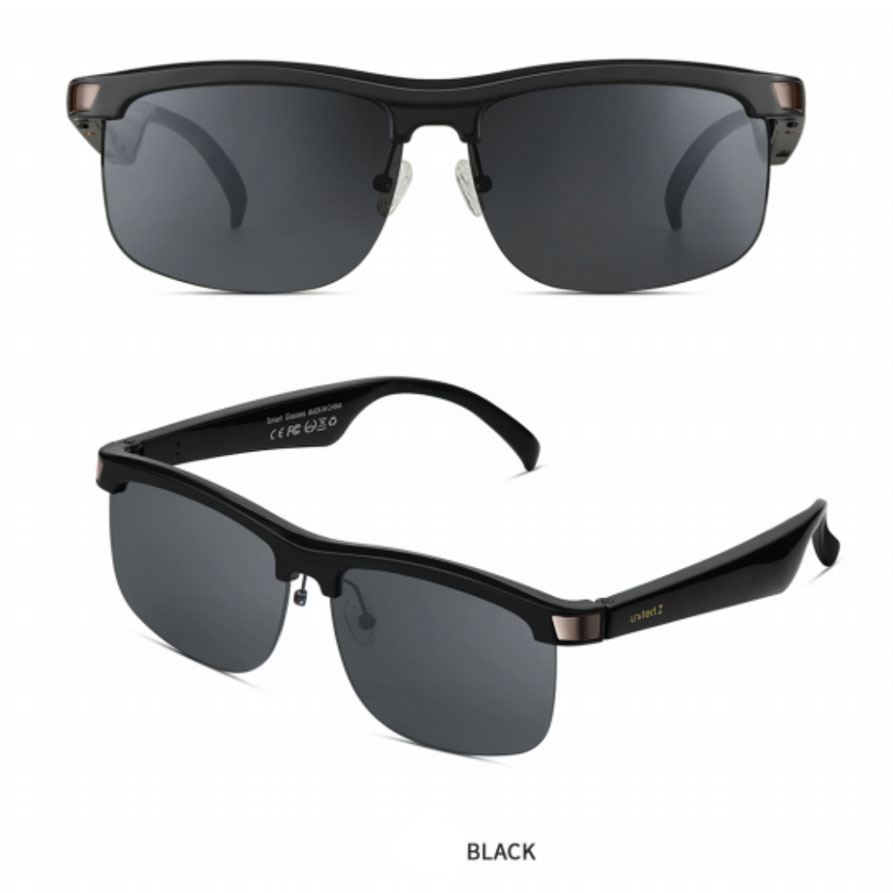
AI translation glasses combine speech recognition, machine translation, and wireless audio into lightweight eyewear. By 2025, improvements in on-device AI, low-power natural language models, and compact Bluetooth audio designs have made these devices viable for everyday use — not just demo labs.
China is the center of production: mature supply chains for optics, audio components, plastic injection, metal frames, PCB assembly, and firmware customization. When you evaluate a supplier, you must look beyond price: production capability, firmware R&D, translation engine options (cloud vs offline), and stringent quality control with smart glasses AI Bluetooth translator glasses processes will determine whether a product succeeds in market.
This report profiles the top Chinese brands and factories, and provides a step-by-step playbook for launching private-label AI translation glasses.
Top 10 China AI Translation Glasses Brands & Factories (2025) — Detailed Profiles
1) Wellypaudio — Factory-Grade OEM for AI Translation Glasses
Positioning:OEM/ODM manufacturer focused on audio wearables and AI translator glasses for global e-commerce and retail channels.
Strengths:
● End-to-end manufacturing (mechanical frames, optics, PCBA, final assembly).
● In-house firmware team able to integrate common translation SDKs (Google/DeepL-compatible APIs, custom local inference engines).
● Flexible MOQ: sample batches from 50–200 units, scalable to 10k+ monthly.
● QC workflow: AOI for PCB, IPQC during assembly, aging test (24–72 hours), and random vibration/drop tests.
Typical specs Wellyp can provide:
● Translation latency: 300–700 ms (cloud-assisted), 800–1500 ms (offline models)
● Battery: 200–350 mAh per temple (8–18 hours audio standby)
● Bluetooth: 5.2 + LE Audio support optional
● Languages: 100+ cloud-supported; 6–20 offline language packs
Why choose Wellypaudio:
Factory-direct pricing, strong audio tuning, and a proven QC protocol for wholesale and private-label clients.
2) TCL Smart Vision Series
● Positioning: Consumer electronics brand leveraging TCL’s retail channels. Good industrial design, brand recognition.
● Notes:Best for co-branded retail launches where design and marketing support matter.
3) Lenovo ThinkVision Glasses
● Positioning:Productivity-focused smart glasses for business travelers and corporate procurement.
● Notes:Good microphones, speech enhancement for noisy environments, enterprise support and warranties.
4) Rokid AR & Translation Series
● Positioning:AR-first approach; excels in spatial audio and contextual translation for enterprise and tourism.
● Notes:Strong at integrating AR overlays and visual subtitles, useful for guided tours.
5) Vuzix (China-Partnered OEM Models)
● Positioning:Enterprise-grade devices manufactured in collaboration with Chinese factories. Highly reliable supply chain and certifications.
6) Nreal (Xreal)
● Positioning:Consumer MR leader moving into translation features; excellent visual experience and developer ecosystem.
7) LLVision
● Positioning:Government and enterprise solutions; focuses on transcription accuracy and secure translations.
8) INMO Air
● Positioning:Lightweight, travel-focused glasses with navigation + translation pairing.
9) RayNeo Air
● Positioning:Visual subtitle projection plus Bluetooth audio; ideal for travelers who want on-device captioning.
10) HiAR Smart Glasses
● Positioning:Education and industrial use; strong long-term firmware support and field service.
Key technical features to compare (buyer checklist)
When you compare ai wireless bluetooth translation glasses from suppliers, evaluate these technical dimensions:
1. Translation engine & accuracy:
Cloud API (Google/DeepL/Azure) vs. on-device models (tinyLM, edge-optimized transformer). Cloud is more accurate and supports more languages; offline is privacy-friendly and lower-latency for short phrases.
2. Speech recognition (ASR) quality:
Microphone array design, beamforming, and noise suppression determine how well the glasses pick up speech in noisy places.
3. Audio subsystem:
Speaker drivers in the temple, loudness, frequency response, and adjustable EQ.
4. Bluetooth stack:
Bluetooth LE Audio vs classic A2DP/HFP; multi-point support; codec options (SBC/AAC/aptX/LDAC).
5. Battery and charging:
mAh ratings, USB-C fast charge, wireless charging case (optional).
6. Comfort & optics:
Weight distribution, lens options (blue light filtering, prescription-ready inserts), IP rating for moisture.
7. Firmware & SDK:
OTA update path, supported SAT/OTA, and partner SDKs for custom services.
8. Security & privacy:
Local processing modes, secure boot, encrypted firmware.
Typical manufacturing flow for AI translation glasses (what the factory does)
1. Industrial design & DFM:finalize frame, hinge, and internal space for PCBA and battery.
2. Component sourcing:lenses (optical factory), metal/plastic frames (injection mold), battery cells, MEMS microphones, speaker drivers, Bluetooth SoC, flash memory, and microcontrollers.
3. PCB design & assembly:SMT, component placement, reflow soldering, AOI inspection.
4. Firmware integration:voice stack, Bluetooth stack, translation client; local model quantization when offline.
5. Mechanical assembly:insert PCBA, adhesive sealing, lens installation.
6. Testing & QC:functional test, drop/vibration, microphone sensitivity tests, battery cycle test, aging.
7.Packaging & labeling: customs-ready packing, user manual, CE/FCC labels.
Factories like Wellyp run these steps with documented checkpoints and batch traceability to support after-sales claims.
Quality control checklist (practical, factory-level)
● Incoming QC (IQC):check tolerances on lenses, frame dimensions, component authenticity (batteries and SoCs).
● PCB inspection: AOI + X-ray for BGA components.
● Functional test:power-on, Bluetooth pairing, mic pickup and speaker output, translation workflow test (sample phrases).
● Aging test:continuous operation at 40°C for 24–72 hours to uncover early failures.
● Water/dust protection:IPX testing if claimed.
● Random sample audit:3–5% sample for physical drop, hinge fatigue, and finish inspection.
● Pre-shipment QA:full checklist sign-off and serial number traceability.
Certifications & compliance to demand
If you plan to sell globally, the following matter:
● CE (Europe) – EMC, LVD, RoHS.
● FCC (US) – FCC Part 15 for unlicensed radio devices.
● UKCA (UK) – post-Brexit conformity mark for UK markets.
● Radio approvals for large markets (e.g., Japan TELEC, Australia RCM)
Top factories will provide test reports and help with the local filing process.
Sourcing strategy & negotiation tips for buyers
1. Start with engineering samples: Validate translation latency, voice pickup, and comfort before committing to mold costs.
2. Ask for a BOM and test reports: Confirm authentic components and supplier warranties.
3. Negotiate MOQ by trade-offs: Accept standard frames or colors to lower MOQ; pay tooling only for exclusive colors or materials.
4. Request an IP/firmware escrow clause: protects you if the supplier reuses your custom firmware for others.
5.Plan for firmware OTA updates: ensure the supplier supports OTA and provides staging/test builds.
6.Audit the QC process: ideally inspect during pre-production and pre-shipment.
Commercial considerations — Pricing & MOQ benchmarks (2025)
● Sample units (non-customized):US$60–120 per unit depending on audio and translation features.
● Small OEM run (100–500 units, some customization):US$45–85 per unit.
● Mass production (5,000+): US$28–55 per unit depending on components (SoC, battery, lens) and logo/packaging.
MOQ depends on customization: printed box + manual usually low; custom molds and unique metal frames raise MOQ and tooling fees.
Market snapshot & trends (2025)
● Market growth drivers:travel resumption, multilingual remote work, B2B adoption in hospitality/tourism, and educational use cases.
● Technical trends:edge-LM quantization for more capable offline translation; Bluetooth LE Audio adoption; increased use of bone-conduction or near-ear drivers for privacy.
● Retail trends:marketplace bundles (glasses + companion app subscription), and SaaS translation options where clients pay monthly for premium translation quality.
Projections in 2025 estimate the wearable translation segment growing fast (CAGR in double digits vs 2024 baseline), but profitability depends on software monetization and after-sales firmware support.
FAQ About AI Translation Glasses
Q1 — How accurate are AI translation glasses in noisy environments?
Accuracy depends on microphone array, beamforming, and ASR model. High-end enterprise models with 4+ MEMS mics and beamforming maintain >90% accuracy in moderate noise; consumer models vary more.
Q2 — Can translations happen offline?
Yes — many factories offer offline language packs for 6–20 languages. Offline models are smaller and less accurate than cloud versions but are improving quickly.
Q3 — What is the expected battery life?
Typical continuous audio playback: 6–12 hours; translation sessions (active mic/listening) reduce runtime. Standby can be multiple days.
Q4 — How fast is translation (latency)?
Cloud-assisted: typically 300–700 ms plus network time. Offline: 800–1500 ms depending on model size.
Q5 — What is a realistic MOQ for OEM?
Sample and small-batch options exist from 50–200 units if you accept standard frames and limited firmware customization. Fully custom molds usually require 500–2,000 MOQ.
Q6 — Do I need special mobile apps?
Most glasses pair to a companion app for extended features (translation history, firmware updates, custom EQ). Ensure the supplier provides iOS and Android SDK support.
Q7 — Are the glasses safe (blue light lenses & audio levels)?
Reputable suppliers issue test reports for blue light filtering and internal limits to average SPL to comply with hearing safety guidelines.
Final recommendation & next steps
1. Run a 10–20 unit engineering sample order with a shortlist of vendors (include Wellyp Audio). Test ASR quality, pairing stability, battery life, and build comfort.
2. Ask for factory visits or third-party inspections before mass production.
3. Plan firmware & after-sales: allocate budget for 1–2 years of OTA support and language updates.
4. Make product differentiation: eyeglass frames, premium lenses (polarized or prescription-ready), or subscription translation services.
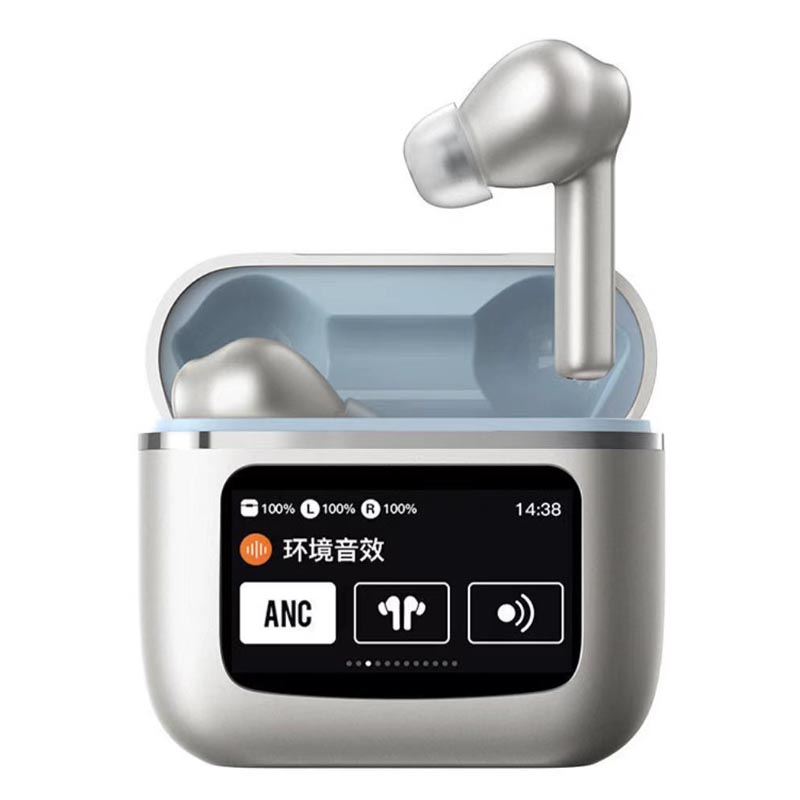
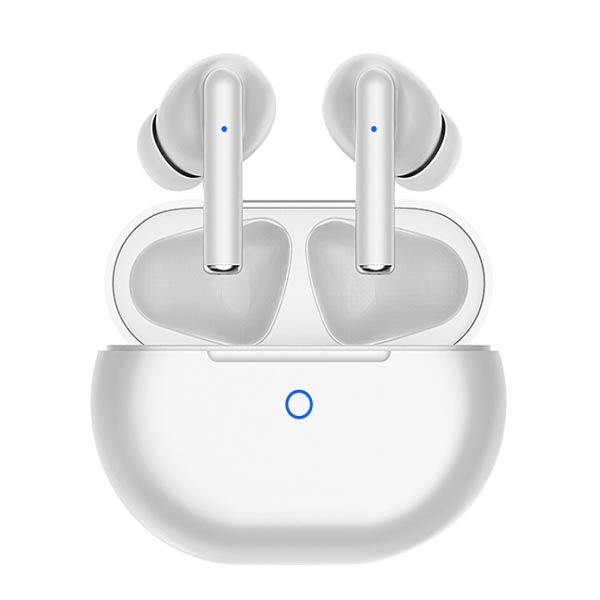
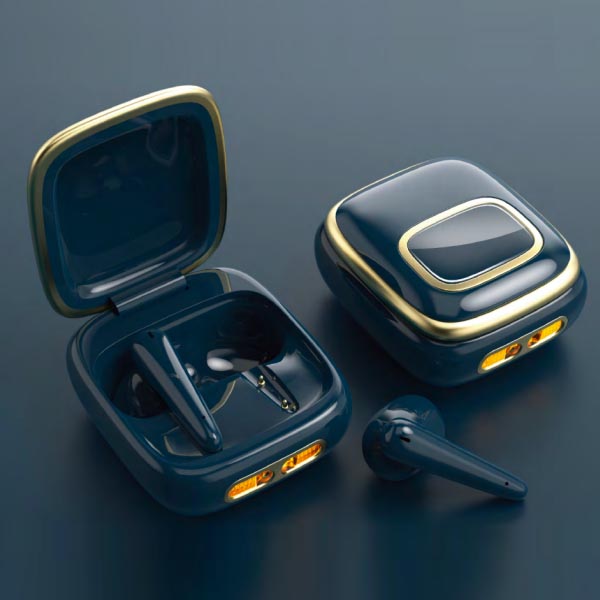
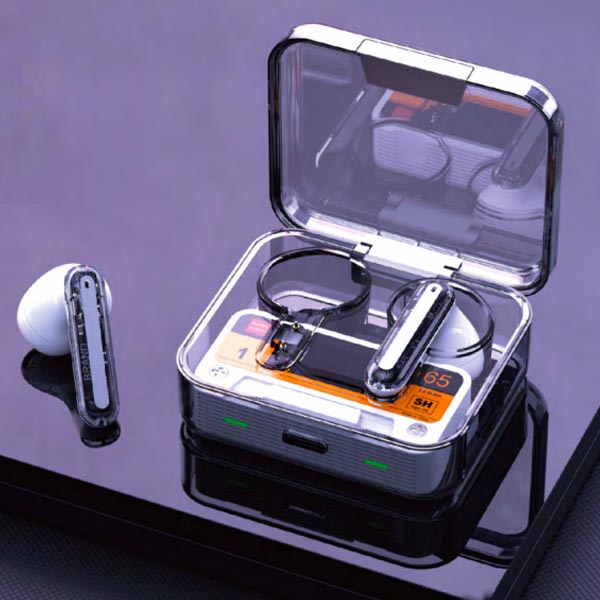
OEM earbuds are a powerful way for brands to deliver unique products to their customers, stand out from competitors, and build long-term loyalty. By partnering with a professional headphone factory like Wellyp Audio, you gain access to R&D expertise, advanced manufacturing, and global shipping support.
If you are looking for a reliable partner for OEM earphones, headphone supplier services, or manufacturing earphones for your next product line, contact Wellypaudio today and let’s build your brand’s next bestseller.
Recommend Reading
Post time: Sep-25-2025