OEM earbuds manufacturing means a factory produces earbuds to your exact specifications - including hardware design, firmware, branding, and packaging - while you retain full brand ownership. The full process covers 8 stages: market research, industrial design, engineering, mold development, component sourcing, prototyping, quality testing, and mass production. A reliable OEM factory like Wellyp handles every step with transparent communication and ISO 9001-certified quality control. The global TWS earbuds market is projected to reach $48.5 billion by 2028, growing at 10.6% CAGR - making now the ideal time to launch your own earbuds brand.
If you're sourcing earbuds for your own brand, you've probably hit the same wall: dozens of factories on Alibaba, unclear MOQs, vague quality standards, and a black box between placing an order and receiving goods.
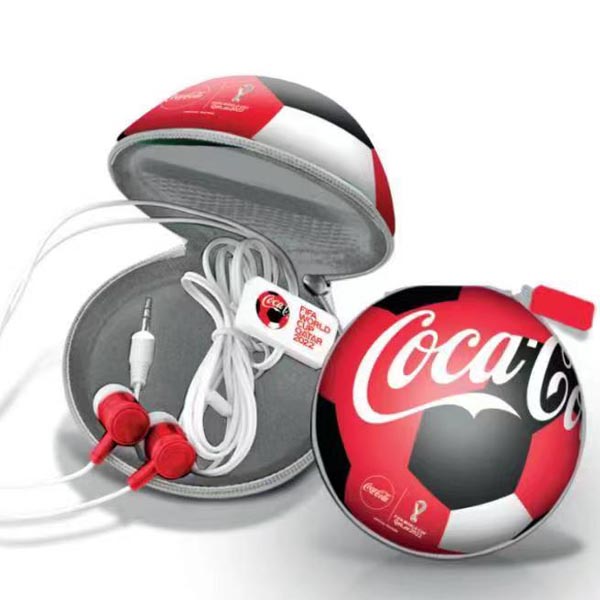
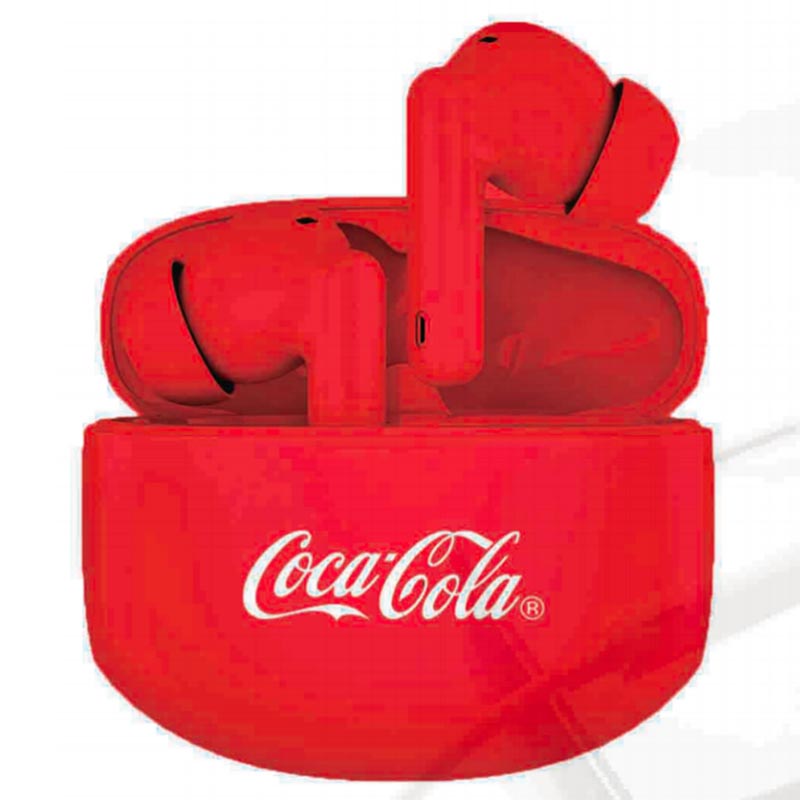
We put this guide together because we've spent 18+ years on the factory floor - from our first strategic project with Coca-Cola Europe in 2018 to today's monthly capacity of 50,000+ units. No theory - we'll walk you through every critical stage of OEM earbuds manufacturing, based on what actually happens on our Huizhou production line near Shenzhen.
After reading this, you'll have a clear picture: how to find a reliable factory, how to evaluate partnership risk, what to watch for during sampling, how to control quality in mass production, and which pitfalls can save you thousands in unnecessary costs.
Why the OEM Earbuds Market Is Booming in 2026
Before diving into the manufacturing process, let's look at why this is one of the fastest-growing B2B opportunities right now:
| Metric | Data | Source |
|---|---|---|
| Global TWS earbuds market size (2024) | $34.2 billion | Grand View Research |
| Projected market size (2028) | $48.5 billion | Grand View Research |
| CAGR (2024-2028) | 10.6% | Grand View Research |
| ANC penetration rate in TWS (2024) | 62%+ | Counterpoint Research |
| Bluetooth LE Audio adoption (2025) | 15%+ of new models | Bluetooth SIG |
| Average OEM project MOQ | 500-5,000 units | Industry consensus |
| China's share of global earbuds production | 70%+ | China Customs Data |
Key trends reshaping OEM earbuds in 2025-2026:
- Bluetooth 5.4 & LE Audio (Auracast): The next-generation standard enables broadcast audio, lower power consumption, and higher-quality LC3 codec. OEM factories that adopt LE Audio early give their brand clients a 6-12 month competitive advantage. Wellyp is actively developing LE Audio-compatible TWS earbuds solutions.
- ANC is becoming a baseline, not a premium feature: With 62%+ penetration, active noise cancellation is now expected in mid-range products. If your OEM earbuds don't offer ANC, you're competing on price alone — a losing game. Explore ANC Bluetooth earbuds custom solutions.
- Health & fitness integration: SpO2 monitoring, heart rate sensing, and posture correction are emerging features in premium TWS. OEM factories with sensor integration experience will lead this wave.
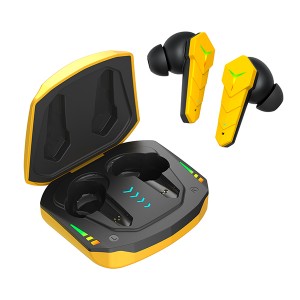
- Gaming earbuds surge: Low-latency gaming mode (≤40ms) is now a standard feature request, driven by mobile gaming growth in Southeast Asia and Latin America. See our wireless gaming earbuds custom solutions and gaming headset buying guide.
- Sustainability mandates: EU's upcoming Ecodesign Regulation will require repairability scores and recycled-material quotas for electronics - including earbuds. OEM factories that build compliance into the design phase save clients from costly retrofits.
The bottom line: The market is growing fast, features are evolving rapidly, and brands that partner with an experienced OEM factory gain both speed and credibility. This guide shows you exactly how to make that partnership work.
What Are OEM Earbuds? A B2B Definition
OEM stands for Original Equipment Manufacturer. In the earbuds industry, this means a factory produces earbuds according to your exact specifications - covering hardware design, firmware development, brand identity, and packaging - while you retain full brand ownership and sales rights.
Here's a concrete example: you have an audio brand and want a TWS earbuds model with ANC, your own design language for the exterior, your brand voice for the power-on prompt, and packaging that follows your brand VI. You give those specs to the factory, and they handle everything from PCB to finished product, shipping under your brand name. That's OEM.
The key distinction: you define the product, you own the brand, the factory makes it happen. You control product direction and commercial rights; the factory handles production and technical implementation.
OEM vs ODM vs White Label: Complete Comparison
These three models are often conflated. Here's the full breakdown - with pros, cons, and real-world recommendations:
| Dimension | OEM | ODM | White Label |
|---|---|---|---|
| Customization depth | Full spec - hardware, firmware, branding, packaging | Factory design + your branding (logo, color, packaging) | Swap labels on existing product only |
| Typical MOQ | 1,000-5,000 units | 500-2,000 units | 100-500 units |
| Development cycle | 12-16 weeks | 6-8 weeks | 2-4 weeks |
| NRE investment | $8,000-$30,000 | $2,000-$8,000 | Minimal or zero |
| Brand differentiation | Maximum - unique product | Moderate - unique branding | Minimal - same product as others |
| IP ownership | You own all IP | Shared or factory-owned | Factory-owned |
| Certification holder | Your company | Varies - negotiable | Factory |
| Supply chain control | Full transparency | Partial transparency | No visibility |
| Risk level | Higher upfront, lower long-term | Moderate | Lowest upfront, highest long-term competition |
| Best for | Established brands building product moats | Startups validating market demand | Quick market entry, promotional products |
Our recommendation by brand stage:
- Stage 1 (Testing the waters): Start with ODM to validate your market at lower risk. Our OEM/ODM service makes this seamless — you pick a proven base model and customize branding, color, and packaging.
- Stage 2 (Market validated, building brand): Transition to OEM with custom exterior and firmware. This is where custom TWS earbuds projects create real product differentiation.
- Stage 3 (Scaling brand with IP assets): Full-spec OEM with proprietary features - custom ANC algorithms, touch gesture logic, or companion app integration.
- Not sure which model fits you? Contact Wellyp — we'll assess your stage and recommend the right approach, free of charge.
Who Should Consider OEM Earbuds?
OEM is the right fit if:
- You plan annual shipments exceeding 5,000 units and need a stable supply chain with controllable unit cost
- Your brand value depends on a unique product experience - custom acoustic tuning, exclusive app features, or a signature exterior design
- You need compliance certifications (FCC, CE, RoHS, etc.) under your own company name for target markets
- You're producing corporate gifts, carrier-customized products, or retail chain products that demand high-volume consistency
- You want to build long-term IP assets - proprietary touch gesture logic, LE Audio features, or spatial audio algorithmsYou're entering the gaming earbuds or custom gaming headset segment with distinctive features like RGB lighting, low-latency mode, or dedicated EQ profiles
- You're targeting niche verticals — sports wireless earbuds for fitness brands, waterproof earbuds for outdoor brands, or bone conduction headphones for safety-focused markets
The OEM Earbuds Manufacturing Process: 8 Steps from Idea to Delivery
These 8 stages represent the actual workflow for every OEM project at Wellyp. From your first inquiry to final product delivery - what each stage involves, how long it takes, and which nodes require your sign-off.
Total timeline overview:
| Stage | Duration | Your Involvement |
|---|---|---|
| 1. Market Research & Product Definition | 1-2 weeks | High - define all requirements |
| 2. Industrial Design & Engineering | 2-4 weeks | High - approve designs |
| 3. Mold Development & Component Sourcing | 4-6 weeks | Medium - approve mold samples |
| 4. Prototyping & Sample Approval | 2-3 weeks | High - sign off on all 3 sample types |
| 5. Mass Production | 4-6 weeks | Low - progress updates |
| 6. Quality Control & Testing | Ongoing | Low - review QC reports |
| 7. Certification & Compliance | 2-4 weeks | Medium - provide company documents |
| 8. Packaging & Shipping | 1-2 weeks | Medium - confirm packaging & logistics |
Stage 1: Market Research & Product Definition
Everything starts with "what product do you want to make?" This sounds obvious, but we've seen too many buyers start pricing inquiries with unclear requirements, wasting two to three months on back-and-forth revisions.
A solid product definition should include:
- Target market and user profile - Who's using it? In what scenarios? (e.g., urban commuters needing ANC, or mobile gamers requiring ≤40ms latency — see our wireless gaming earbuds guide)
- Core feature requirements - ANC? ENC? OWS? Gaming low latency? Bluetooth 5.3/5.4 with LE Audio? IPX rating? For gaming brands, our custom gaming headset buying guide covers the features that matter most.
- Expected retail price range - This directly determines chip solution, driver unit, and battery selection. A $29.99 product needs a different BOM than a $79.99 one.
- Target shipment volume - Affects MOQ and unit-price negotiation
- Target market compliance requirements - Different countries require different certifications (see Stage 7 for the full list)
At Wellyp, this stage includes a free 30-60 minute needs alignment call. Our engineering team provides:
- Initial chip solution recommendations (BES, Qualcomm, or Realtek - matched to your price point)
- Cost range estimate (±15% accuracy at this stage)
- Timeline planning with milestone checkpoints
- Certification roadmap for your target markets
This step costs you nothing — but it prevents massive rework later. Book your free consultation now.
Stage 2: Industrial Design & Engineering
Once the product definition is clear, we enter the design phase. For full-spec OEM, this includes:
- Industrial Design (ID): Exterior form, color scheme, CMF (Color/Material/Finish).
- Mechanical Design (MD): Earbud cavity optimization for acoustics, charging case hinge mechanism, touch panel layout, ergonomic fit analysis
- Electronics Engineering: PCB layout, antenna design for stable Bluetooth connectivity, acoustic cavity optimization, power management circuit design
- Firmware Development: Bluetooth pairing logic, touch gesture mapping, EQ tuning curves, voice prompt customization, ANC/ENC algorithm integration
If you choose OEM customization based on an existing factory design (what most buyers opt for), the design cycle shortens significantly — the main structure is already validated, and you primarily customize exterior, color, and brand elements. Whether you're building custom TWS earbuds or wireless gaming earbuds, we tailor the scope to your needs.
Design outputs you'll receive:
- 3D renderings of the earbud and charging case
- PCB schematic and layout files
- Firmware specification document (feature list, gesture mapping, EQ presets)
- BOM (Bill of Materials) draft with component sources and cost estimates
This stage typically takes 2-4 weeks.
Stage 3: Mold Development & Component Sourcing
After design freeze, the factory begins mold development and sourcing core materials. This is the largest upfront investment phase - and the one where choosing the right factory makes the biggest financial difference.
| Component | Common Options | Cost Impact |
|---|---|---|
| Bluetooth SoC | BES 2300 (cost-effective), Qualcomm QCC3071 (premium), Realtek RTL8763 (mid-range) | 20-35% of BOM |
| Driver unit | 8mm/10mm/13mm dynamic; balanced armature; hybrid | 10-15% of BOM |
| Battery (earbud) | Button cell 30-50mAh | 5-8% of BOM |
| Battery (charging case) | Li-Po 300-600mAh | 5-7% of BOM |
| MEMS microphone | Single/dual/triple mic configurations | 3-5% of BOM |
| Charging case shell | Custom injection mold or factory existing mold | See below |
Mold development - the biggest NRE decision:
- Custom mold: $8,000-$15,000, 4-6 week development cycle. Gives you a unique exterior no other brand can copy.
- Factory existing mold: Zero mold cost, immediate availability. Less differentiation but much faster launch.
- Hybrid approach: Use factory base mold with custom outer panels (lid, logo area). ~$3,000-$5,000, 2-3 weeks. Best balance of cost and differentiation.
Want to see our current base models available for OEM customization? Browse our TWS earbuds product line and gaming earbuds collection.
Stage 4: Prototyping & Sample Approval
The sample stage is the most critical decision point in the entire project. You need to see, touch, and test the physical product before committing to mass production.
| Sample Type | Purpose | Quantity | Typical Timeline |
|---|---|---|---|
| Engineering Sample | Validates functionality and acoustic performance; exterior may not be final | 3-5 pairs | Week 1-2 |
| Appearance Sample | Confirms color, material, logo placement, and packaging | 3-5 pairs | Week 2-3 |
| Pre-production (PP) Sample | Made with production materials and processes - the gold standard | 3-5 pairs | Week 3-4 |
Once approved, both parties sign and seal the PP sample - subsequent mass production follows this standard. This is your reference point for any dispute about quality or specification adherence.
Stage 5: Mass Production
After PP sample confirmation, we enter mass production. Standard production cycle is 4-6 weeks, depending on order volume.
Production workflow (what actually happens on our lines):
- SMT soldering: PCB board assembly - SoC, power management IC, MEMS microphones, passives. Each board undergoes AOI immediately after soldering.
- Assembly: PCB, driver unit, and battery installed into earbud shells. Ergonomic fit verified on test heads.
- Acoustic sealing: Cavity seal integrity verified - this directly affects IPX rating and sound quality consistency.
- Charging case assembly: Shell, hinge, charging contacts, LED indicators, magnet alignment.
- Firmware flashing: Final firmware written to each pair. Version number logged for traceability.
- Functional testing: Pairing speed, sound quality, touch response, charging cycle, ANC effectiveness. Every single unit is tested.
- Burn-in testing: 48 hours continuous playback to screen early-life failures. This is where reliability is proven.
- Packaging: Boxing per approved packaging plan, accessories bundled, QC stamp applied.
Monthly capacity: 50,000+ units. Multiple assembly lines running simultaneously. Daily output: 2,000+ quality-tested earphones. Located in Huizhou, Guangdong - 1 hour from Shenzhen.
Visit Wellyp's facility page for photos, or arrange a live video factory tour.
Stage 6: Quality Control & Testing
Quality control isn't a single stage — it's a system embedded throughout the entire production process. We cover this in detail in the Quality Control section below.
Stage 7: Certification & Compliance
Your product must pass target-market certifications to be legally sold.
| Market | Required Certifications | Typical Cost | Timeline |
|---|---|---|---|
| EU | CE (safety + EMC + environmental), RoHS, WEEE registration | $3,000-$5,000 | 2-4 weeks |
| USA | FCC (wireless), California Prop 65 (if applicable) | $2,000-$4,000 | 2-3 weeks |
| Global | Bluetooth SIG qualification, UN38.3 (battery transport) | $1,500-$3,000 | 1-2 weeks |
| Korea | KC certification | $1,500-$2,500 | 2-3 weeks |
| Japan | PSE + TELEC | $2,000-$4,000 | 3-4 weeks |
| India | BIS certification | $1,500-$3,000 | 3-4 weeks |
| Brazil | ANATEL certification | $2,000-$5,000 | 4-6 weeks |
Key point: Certifications should be held under your company name (the brand owner), not the factory's. This ensures certifications remain valid when you switch suppliers - saving you $10,000+ in re-certification costs.
All Wellyp products ship with CE and RoHS certification. Our factory is BSCI and ISO 9001 accredited — learn about our compliance capabilities.
Stage 8: Packaging & Shipping
The final stage: packaging confirmation, balance payment, and shipment arrangement.
| Method | Transit Time | Cost Level | Best For |
|---|---|---|---|
| Air freight / express (DHL/FedEx) | 5-7 days | High ($3-8/kg) | First batches, urgent orders, sample shipments |
| Sea freight (FCL/LCL) | 30-45 days | Low ($0.5-2/kg) | Large-volume regular replenishment |
| China-Europe rail | 15-20 days | Medium ($1.5-4/kg) | European market, balance of speed and cost |
Before shipment, always conduct OQC (Outgoing Quality Control). We recommend contractually stipulating the right for third-party inspection agencies (SGS, Bureau Veritas, TUV) to conduct pre-shipment spot checks at the factory.
ISO 9001 certified, BSCI audited, Bluetooth SIG member, in-house SMT + assembly + acoustic testing. 18+ years in manufacturing, with delivered projects ranging from Coca-Cola Europe corporate gifts to full-spec OEM brands. See our factory overview.
How to Choose the Right OEM Earbuds Factory
Finding a factory isn't hard. Finding the right factory is. Here's our evaluation framework based on 18+ years of experience - and the red flags that separate reliable partners from costly mistakes.
Factory Credentials to Verify
| Credential | Why It Matters | How to Verify |
|---|---|---|
| ISO 9001 certification | Baseline quality management system. Without it, the factory has no systematic quality process. | Request the certificate number and check it against the ISO registry. Verify it's current (not expired). |
| BSCI / SMETA audit | Proves labor standards and production environment meet Western brand requirements. Essential for EU and US retailers. | Request the latest audit report. Check the rating (A is best, C is minimum acceptable). |
| Bluetooth SIG membership | Indicates legitimate Bluetooth product development capability - not just assembling third-party solutions. | Search the company name on bluetooth.com member directory. |
| Own production lines + testing equipment | Factories with SMT workshop, acoustic testing room, and burn-in area control quality end-to-end. Trading companies don't. | Request a live video factory tour or arrange an on-site visit. |
| Recent project experience | A factory that delivered 5+ similar projects in the past 12 months has proven capability for your product type. | Ask for project cases (client names can be omitted). You need: product type, specs, delivery volume, timeline. |
ISO 9001 certified, BSCI audited, Bluetooth SIG member, in-house SMT + assembly + acoustic testing. 18+ years in manufacturing, with delivered projects ranging from Coca-Cola Europe corporate gifts to full-spec OEM brands.
Red Flags to Watch Out For
High-risk signals - if you see these, proceed with extreme caution:
- No third-party audit reports - only shows "internal quality reports." Internal reports are self-assessments, not verified standards.
- Pricing 30%+ below market average - almost always means corner-cutting on batteries (recycled cells), chips (downgraded SoC), or QC (skipped burn-in testing).
- Refuses pre-production samples - or samples noticeably differ from mass production. This is the #1 quality complaint from B2B buyers.
- No acoustic testing equipment - no anechoic chamber or audio analyzer means they can't verify sound consistency across production runs.
- Days to answer technical questions - communication delays during sampling mean worse delays during mass production when issues are time-critical.
- Refuses contract specifics - won't specify NRE refund terms, defect handling, IP ownership, or firmware version locking.
Questions to Ask Before Signing a Contract
Print this checklist. Every answer should be clear and documented - verbal commitments are worthless during mass production:
Capability questions:
- How many similar-spec projects have you delivered in the past 12 months?
- Can you provide live video of your SMT line, assembly line, and testing room?
- Do you have an in-house acoustic testing lab? What equipment?
Commercial questions:
- What does NRE cover specifically? Who owns the molds after payment?
- What's the standard timeline from PP sample approval to mass-production delivery?
- What's your defect rate standard? How are excess defects compensated? (AQL level matters here)
- Who pays certification fees? Whose name is on the certificate?
Technical questions:
- How is firmware update and OTA upgrade responsibility divided after delivery?
- Can you lock the firmware version number in the contract?
- Can you accept third-party pre-shipment inspection (SGS, BV, TUV)?
Payment questions:
- What are the payment terms? (Standard: 30% deposit, 70% before shipment)
- What happens if delivery is delayed beyond the agreed timeline?
- Is NRE refundable at certain order volumes? What's the threshold?
OEM Earbuds Quality Control: A Practical Framework
Quality control isn't "a final check" - it's a systematic engineering process that starts from the first material entering the factory. Professional OEM earbuds factories implement a three-tier QC system that catches problems at every stage:
IQC (Incoming Quality Control) - Material Inspection
All critical materials undergo spot-checking before warehousing. Well-executed IQC intercepts 70%+ of potential quality issues before they enter production.
| Material | Tests Performed | Failure Criteria |
|---|---|---|
| Bluetooth chips | Model verification, batch consistency, functional pairing test | Wrong model, batch mismatch, pairing failure |
| Batteries | Capacity test (mAh), internal resistance, visual inspection (swelling, dents) | Capacity <95% of spec, IR out of range, visual defect |
| Driver units | Frequency response curve, sensitivity test, impedance check | FR deviation >±3dB, sensitivity <spec, impedance mismatch |
| Shells / structural parts | Dimensional accuracy (±0.05mm), color difference (ΔE<1.5), assembly trial-fit | Dimension out of tolerance, color mismatch, fit failure |
IPQC (In-Process Quality Control) - Production Inspection
In-process checks at critical workstations:
- After SMT: AOI (Automatic Optical Inspection) scans every PCB for solder defects - bridging, cold joints, missing components
- After assembly: Air-tightness test (affects IPX waterproof rating). Failed units rejected before proceeding.
- After firmware flash: Functional self-test - pairing, playback, touch response, charging cycle. 100% of units tested, not just a sample.
- Acoustic verification: Frequency response, THD (total harmonic distortion), left-right channel consistency. ±3dB tolerance for consumer-grade, ±1.5dB for premium-grade.
OQC (Outgoing Quality Control) - Shipment Inspection
Pre-shipment inspection of finished goods, following AQL standards:
- AQL Level II, 2.5/4.0 (standard for consumer electronics)
- Visual inspection: scratches, color variance, logo position, surface finish
- Functional spot-check: pairing speed, ANC effectiveness, battery endurance (continuous playback hours), charging cycle
- Packaging verification: accessories complete, labels correct, barcodes scannable, warranty card included
- Reliability tests (per batch): 1m drop test, -10°C to +55°C temperature cycling, 72hr humidity test
ISO 9001-certified system, dedicated QC team on every line, 48-hour burn-in on 100% of units, full traceability by serial number.
OEM Earbuds Cost Structure: What You're Actually Paying For
Talking money doesn't hurt relationships - ambiguity does. Here's a transparent breakdown so you can budget accurately and negotiate intelligently.
NRE (Non-Recurring Engineering) Fees - One-Time Development Costs
NRE is what you pay for the "from zero to one" development work:
| Item | Typical Cost Range | Notes |
|---|---|---|
| Mold development (custom injection molds) | $8,000-$15,000 | Refundable at certain order volumes - negotiate this |
| Electronics design (custom PCB, antenna tuning) | $3,000-$5,000 | Lower if using factory base PCB layout |
| Firmware development (custom features, EQ, gestures) | $2,000-$5,000 | Standard firmware = $0; custom logic = $2K+ |
| Certification fees (FCC/CE/Bluetooth SIG) | $3,000-$8,000 | Varies by target market count; factory can bundle |
| Total NRE range | $8,000-$30,000 | Depends entirely on customization depth |
NRE negotiation tips:
- Ask for NRE refund thresholds (e.g., refund 50% at 5,000 units, 100% at 10,000 units)
- If using factory base molds, NRE drops to $2,000-$8,000
- Some factories waive NRE entirely for large-volume commitments (20,000+ units)
Per-Unit Cost Breakdown
Unit cost comprises these BOM and overhead components:
| Component | % of Unit Cost | Cost-Saving Tips |
|---|---|---|
| SoC chip solution | 20-35% | BES is cost-effective; Qualcomm commands premium. Match chip to your price point. |
| Batteries (earbuds + case) | 10-15% | Larger case battery = longer playtime but higher cost. Optimize for your target use case. |
| Driver unit | 10-15% | 10mm dynamic is standard; balanced armature adds 30-50% cost but enables premium positioning. |
| Shell / structural parts | 15-20% | Custom molds = higher per-unit cost amortized over volume. Existing molds = lower. |
| PCB + passive components | 10-15% | Minimal variation; cost is relatively fixed. |
| Packaging + accessories | 5-10% | Custom retail box vs. generic - decide based on your channel strategy. |
| Labor + QC + management | 10-15% | China's Guangdong region offers the most competitive labor rates in electronics manufacturing. |
Actual prices vary dramatically by specification. Every project's configuration differs; price variance can reach 3-5x between a basic model and a premium ANC + LE Audio model.
How MOQ Affects Pricing
MOQ directly impacts unit cost through fixed-cost amortization:
| Volume Range | Unit Price Impact | Recommended For |
|---|---|---|
| Below 500 units | Highest unit price; NRE amortization is steep | Sample validation, market testing |
| 500-1,000 units | Formal OEM range; prices start rationalizing | First commercial order, launch batch |
| 3,000-5,000 units | Favorable tier pricing; NRE refund may kick in | Established brand, regular replenishment |
| 10,000+ units | Best pricing; NRE fully refundable; priority scheduling | Scaling brand, volume commitment |
How to Calculate ROI for Your OEM Earbuds Project
This is the section most guides skip - but it's the one that determines whether your project is financially viable.
Basic ROI formula for OEM earbuds:
ROI = (Total Revenue - Total Investment) / Total Investment × 100%
Total Investment = NRE + (Unit Cost × Order Volume) + Certification + Logistics + Marketing
Total Revenue = Retail Price × Expected Sales Volume
Example scenario:
| Parameter | Value |
|---|---|
| NRE investment | $12,000 (moderate customization) |
| Unit cost (3,000 units) | $8.50 per unit |
| Order volume | 3,000 units |
| Certification cost | $5,000 (CE + FCC) |
| Logistics (sea freight) | $2,000 |
| Total production investment | $12,000 + $25,500 + $5,000 + $2,000 = $44,500 |
| Retail price | $39.99 |
| Expected sell-through rate | 85% (2,550 units sold) |
| Total revenue | 2,550 × $39.99 = $101,974 |
| ROI | ($101,974 - $44,500) / $44,500 × 100% = 129.5% |
Key variables that swing ROI:
- Sell-through rate: The biggest ROI driver. If you sell only 60% of inventory, ROI drops to ~58%.
- Retail pricing: A $29.99 product with $8.50 unit cost yields ~55% gross margin. A $49.99 product yields ~83%.
- NRE refund: At 5,000+ units, recovering $6,000-$12,000 of NRE adds 13-27% to ROI.
- Repeat orders: First-order ROI includes NRE. Second and subsequent orders eliminate NRE, pushing ROI to 200%+.
Certifications and Compliance You Cannot Skip
If your earbuds can't clear customs, all prior work is meaningless. Here's the complete certification map:
| Region | Required Certifications | Estimated Total Cost | Processing Time |
|---|---|---|---|
| EU | CE marking (safety + EMC + environmental), RoHS compliance, WEEE registration | $3,000-$5,000 | 2-4 weeks |
| USA | FCC wireless certification, California Prop 65 (if applicable) | $2,000-$4,000 | 2-3 weeks |
| Global | Bluetooth SIG qualification, UN38.3 battery transport safety | $1,500-$3,000 | 1-2 weeks |
| Korea | KC certification | $1,500-$2,500 | 2-3 weeks |
| Japan | PSE safety certification, TELEC radio certification | $2,000-$4,000 | 3-4 weeks |
| India | BIS certification | $1,500-$3,000 | 3-4 weeks |
| Brazil | ANATEL certification | $2,000-$5,000 | 4-6 weeks |
EU Ecodesign Regulation (coming 2025-2026):
The EU is introducing repairability scoring and recycled-material requirements for electronics. Forward-thinking OEM factories are already designing for compliance — ask your factory about their Ecodesign readiness. At Wellyp, we're proactively building recyclable packaging and modular design options into our OEM/ODM service.
Common Mistakes B2B Buyers Make (And How to Avoid Them)
We've seen these mistakes cost buyers $5,000 to $50,000+. Learn from others' expensive lessons:
| # | Mistake | Cost Impact | Prevention |
|---|---|---|---|
| 1 | Comparing prices without reviewing BOM | $10K-$50K in quality failures | Always request detailed BOM. Same price can mean entirely different chip solutions and build quality. |
| 2 | Sample ≠ mass production | $5K-$20K in rejected shipments | Contract clause: "Mass production matches sealed PP sample." + third-party inspection rights. |
| 3 | Ignoring firmware version management | $3K-$10K in post-sale complaints | Lock firmware version in contract. Document sample firmware = mass production firmware. |
| 4 | Skipping factory audit | $10K-$50K (worst case: unusable product) | Even a 30-minute video factory tour is 100x better than nothing. |
| 5 | Vague contract terms | Unlimited (unquantifiable risk) | NRE refund conditions, defect compensation, delivery delay penalties, IP ownership - all in writing. |
| 6 | Accepting factory-held certifications | $10K+ in re-certification | Certifications under YOUR company name. Verify certificate model matches your product. |
| 7 | Underestimating timeline | Missed market window = lost revenue | 3-4 months minimum for full OEM. 6-week promises = unreliable factory. |
| 8 | Not budgeting for certification | $3K-$8K surprise cost | Include certification in initial budget. Ask factory for bundled pricing. |
| 9 | Choosing factory based on Alibaba ranking only | High risk of trading company | Verify: do they have SMT line, acoustic lab, burn-in room? |
| 10 | Neglecting post-sale firmware support | Customer complaints, app issues | Define firmware update responsibility and OTA upgrade terms in contract. |
Why Wellyp: What Sets Us Apart from Other OEM Earbuds Factories
We don't just claim to be different - here's the evidence:
| Differentiator | Wellyp | Typical Factory |
|---|---|---|
| Years of experience | 18+ years (since 2004) | 3-8 years average |
| Certifications | ISO 9001 + BSCI audited | ISO 9001 only (many lack this) |
| Production model | In-house: SMT + assembly + testing + QC | Assembly only; SMT outsourced |
| Monthly capacity | 50,000+ units | 5,000-20,000 units |
| Client track record | Coca-Cola Europe, multiple private-label brands | Mostly small Alibaba orders |
| Communication | 24-hour response; dedicated English-speaking PM | 2-5 day response; sales-only contact |
| Design capability | 3D printing for rapid mockups; in-house ID/MD team | Relies on external design houses |
| NRE transparency | Detailed BOM + cost breakdown provided upfront | Quote-only; no BOM visibility |
| Firmware management | Version-locking standard; OTA support available | Firmware changes without notification |
| Location advantage | Huizhou (1hr from Shenzhen), full electronics supply chain | Remote locations with limited logistics |
Frequently Asked Questions
Q: What does OEM mean for earbuds?
A: OEM (Original Equipment Manufacturer) means a factory manufactures earbuds according to your exact specifications - including hardware, firmware, branding, and packaging - while you own the brand and sell under your name. You control the product direction, features, and retail strategy; the factory handles production engineering and quality execution.
Q: What is the typical MOQ for OEM earbuds?
A: Most established OEM earbuds factories require 500-3,000 units for custom orders. At Wellyp, we work with MOQs as low as 500 units for standard customization (ODM-based) and 1,000+ units for full-spec OEM with custom molds and firmware.
Q: How long does the OEM earbuds manufacturing process take?
A: From initial design confirmation to final delivery, a typical OEM project takes 8-16 weeks: 2-4 weeks for design, 4-6 weeks for mold development (if custom), 2-3 weeks for sampling, and 4-6 weeks for mass production. ODM-based customization is faster at 6-8 weeks.
Q: What certifications do OEM earbuds need?
A: Essential certifications include CE (Europe), FCC (USA), RoHS (environmental), and Bluetooth SIG qualification. Depending on your target market, you may also need KC (Korea), BIS (India), PSE (Japan), or ANATEL (Brazil). Total certification cost ranges from $3,000-$8,000.
Q: How do OEM earbuds factories ensure quality?
A: Professional factories implement a three-tier QC system: IQC (incoming material inspection catching 70%+ of issues), IPQC (in-process checks including AOI, air-tightness, and functional testing at each workstation), and OQC (pre-shipment AQL-standard inspection covering visual, functional, and reliability testing). At Wellyp, we additionally perform 48-hour burn-in testing on 100% of units.
Q: How much does it cost to start an OEM earbuds brand?
A: Total initial investment for a moderate-customization OEM project typically ranges from $20,000-$50,000, covering: NRE ($8K-$15K), first order production (3,000 units × $6-$12/unit = $18K-$36K), certification ($3K-$8K), and logistics ($1K-$3K). First-order ROI can reach 100-150%.
Q: Can I start with ODM and upgrade to OEM later?
A: Yes - this is the smartest approach for most new brands. Start with ODM to validate your market at lower risk and cost ($2K-$8K NRE vs. $8K-$30K for full OEM). Once you've proven demand and built initial revenue, transition to OEM for deeper differentiation and IP ownership.
Q: What's the difference between a trading company and a real OEM factory?
A: Trading companies don't own production lines - they middleman between you and an actual factory, adding margin and reducing transparency. Real OEM factories have in-house SMT lines, assembly lines, acoustic testing labs, and QC teams. Key verification: request a live video tour of the SMT workshop and testing room.
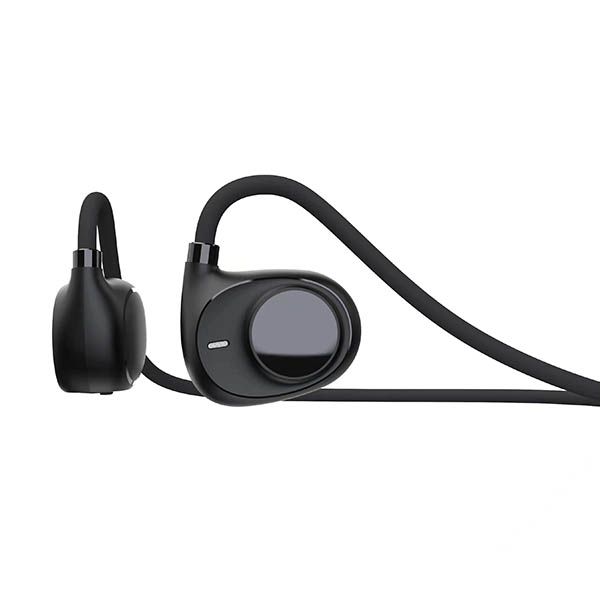
Interested in sourcing OWS earbuds?
Contact Wellypaudio today to explore OEM, ODM, and wholesale solutions tailored to your market.
Recommend Reading
Post time: Jul-31-2026